
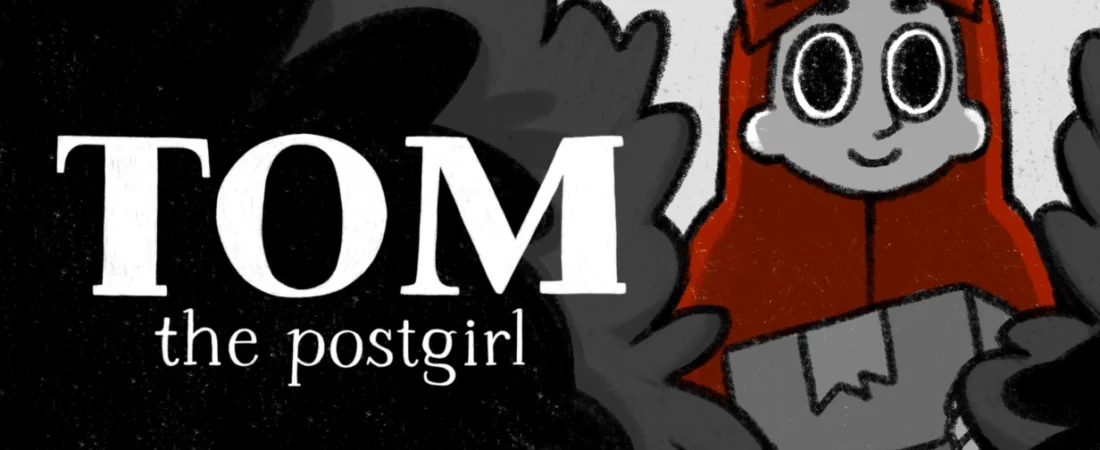
At first glance, Tom the Postgirl looks like a harmless little adventure. Its protagonist is an adorable postgirl, the village is full of colorful characters, and the hand-drawn presentation resembles a children’s picture book. But appearances can be deceiving.
Developed by Swiss studio Oopsie Daisies and published by ARTE, the game puts players in the shoes of Tom, a young postgirl whose delivery rounds quickly turn into an excuse to spy on the villagers. Everyone seems to have something to hide, and Tom is more than happy to investigate their private lives.
The premise is entertaining, but the adventure is over almost as soon as it begins. My playthrough took around two hours, which feels particularly short given how little variety the gameplay offers. Although the game has multiple endings and unlockable content, there simply isn’t enough here to make the experience feel substantial.
Simple Gameplay, Limited Possibilities
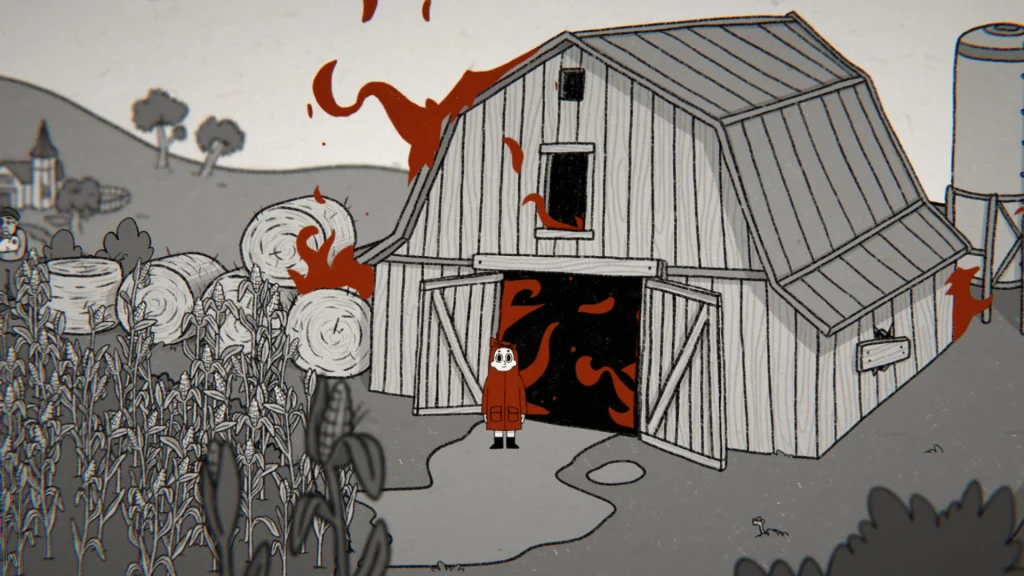
Tom the Postgirl is essentially a point-and-click adventure in which observation is the main activity. Most of the time, you’ll be looking through windows, peeking into houses, and watching the villagers go about their strange routines.
The problem is that the mechanics rarely evolve beyond that. There is little traditional item-based interaction, and you won’t spend much time collecting objects to solve puzzles or combining clues to overcome obstacles. Instead, the game relies heavily on finding the right places to look and waiting for something unusual to happen.
There are a few opportunities to cause trouble, such as opening packages, damaging gardens, stepping on flowers, and stealing decorations. These actions fit the game’s mischievous tone, but they don’t change the overall simplicity of the experience.
A Charming Visual Style and Some Dark Social Commentary
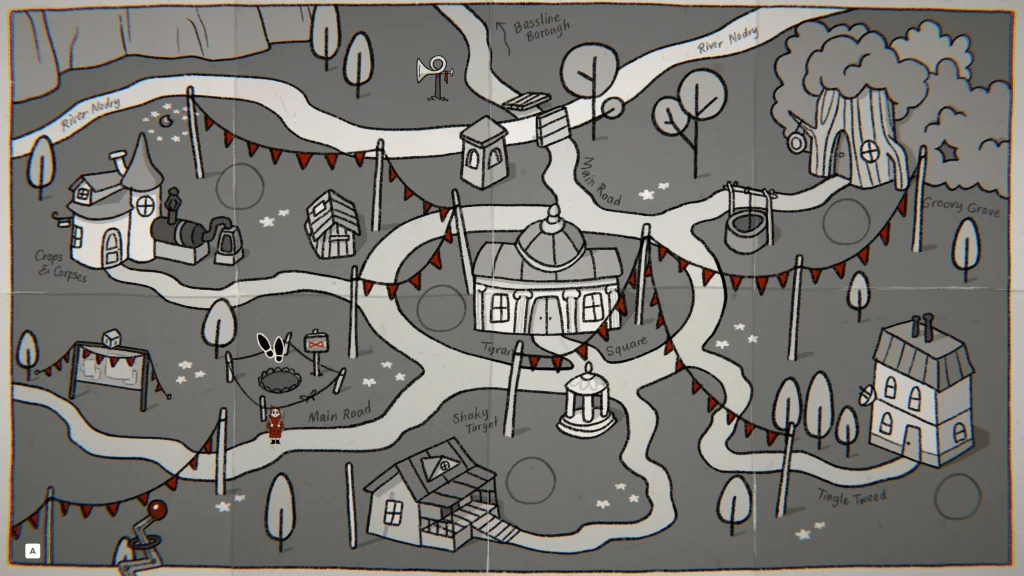
The biggest highlight is undoubtedly the artwork. The hand-drawn environments have a charming, almost storybook-like appearance, with frame-by-frame animation adding personality to the characters and their movements.
The monochromatic palette, with red as the only prominent color, gives the game a distinctive identity. It also creates an interesting contrast with the disturbing situations Tom discovers around the village. The result is a visual style that looks cute without hiding the ugliness of the world it portrays.
Beneath its absurd humor, the game also touches on several social issues. Environmental exploitation, excessive dependence on technology, egocentrism, and even the Catholic Church are among the subjects that receive attention. These ideas are presented through exaggerated situations and bizarre characters rather than lengthy discussions, but they give the adventure a little more substance than its simple mechanics might suggest.
The soundtrack, meanwhile, reinforces the cartoon-like atmosphere. It does its job, but rarely stands out or leaves a lasting impression.
Humor That Doesn’t Always Land
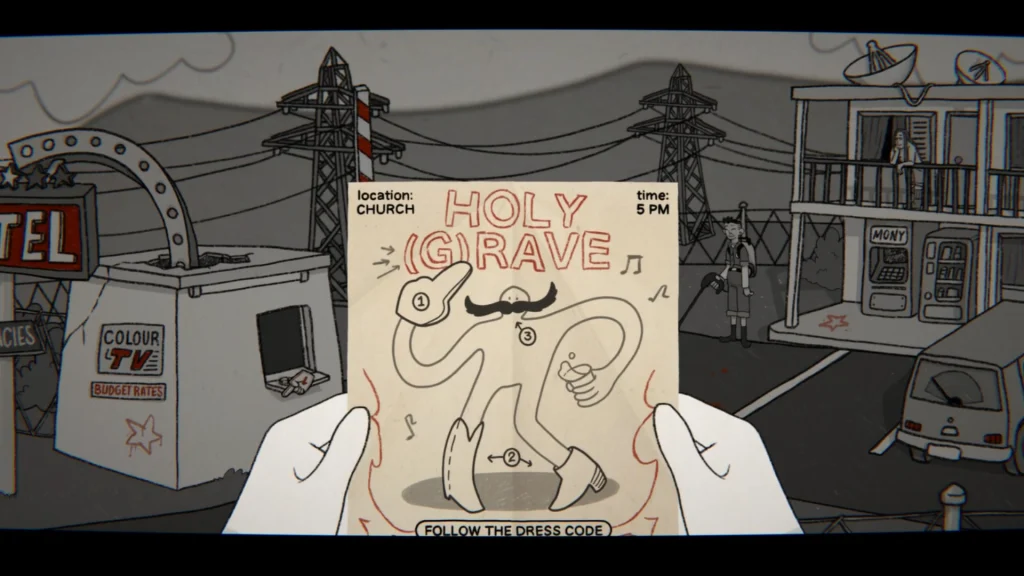
The humor is another defining part of Tom the Postgirl, although its success will depend heavily on the player. The game embraces absurdity, exaggeration, and deliberately uncomfortable situations, often pushing ordinary events into ridiculous territory.
There is something reminiscent of British comedy in its approach, even though the game comes from a Swiss studio. However, I rarely found myself laughing out loud. Most of the jokes earned little more than an amused smirk.
The contrast between the innocent-looking presentation and the bizarre behavior of the villagers is effective, but the writing doesn’t always make the most of its premise. The game has plenty of strange ideas, yet not all of them are equally funny or memorable.
Little Incentive to Return
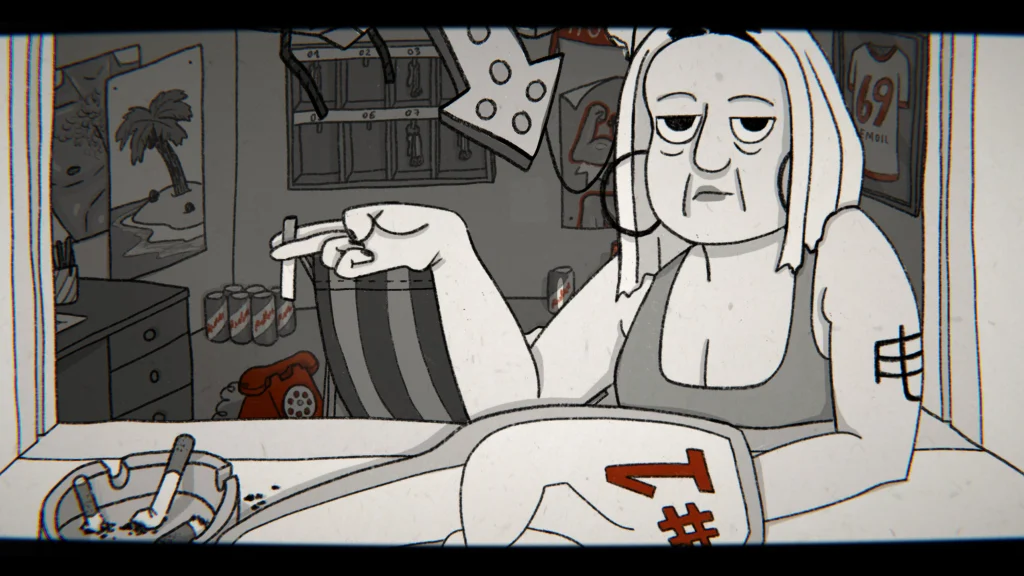
After completing the story, players can go back to the village to collect badges and achievements. There are also multiple endings and unlockable profiles, encouraging further exploration and repeated playthroughs.
Unfortunately, the limited variety makes this extra content feel more like a checklist than a compelling reason to return. Since the core activities remain largely unchanged, replaying the same short adventure several times can quickly become tedious.
A little more mechanical variety, additional interactions, or meaningful changes between playthroughs would have made a considerable difference.
Is Tom the Postgirl Worth Playing?
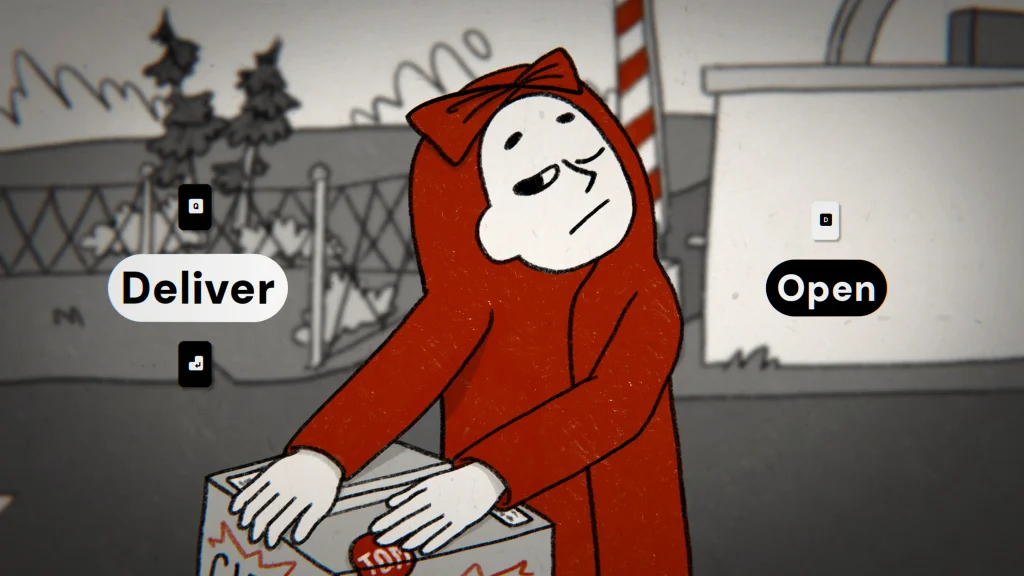
Tom the Postgirl has a memorable visual identity and an unusual premise. Its charming hand-drawn art, monochromatic palette with red accents, and willingness to explore uncomfortable social themes give it a personality of its own.
However, the experience is held back by extremely simple gameplay, a campaign that took me around two hours to complete, and humor that doesn’t always hit the mark. The additional content offers some replay value, but not enough to compensate for the lack of variety.
There is a good idea here, and the game certainly has its moments. I just wish it had more to offer beyond its initial charm.
Pros
- Charming hand-drawn artwork and distinctive visual identity.
- Effective contrast between its cute presentation and dark subject matter.
- Interesting social commentary.
Cons
- Very simple gameplay with limited interaction.
- Short campaign of approximately two hours.
- Humor doesn’t always land.
- Little incentive to replay the adventure.
Score: 6.5/10 (OK)