
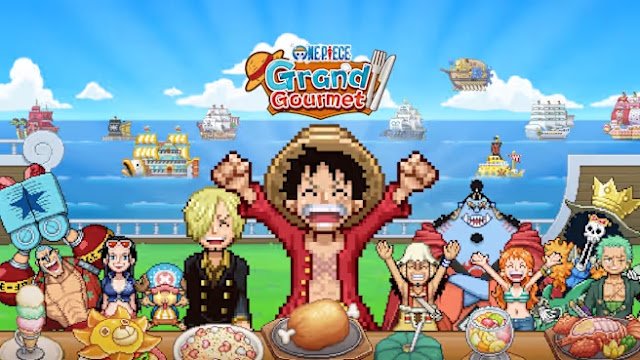
One Piece: Grand Gourmet will run at 30 frames per second on both Nintendo Switch 2 and Nintendo Switch, while the Switch 2 version will reach 4K resolution in TV mode. The newly confirmed specifications also establish how the restaurant-management game will look in handheld play and make clear that the newer console is receiving a separate edition rather than a simple upgrade to the original Switch release.
On Nintendo Switch 2, the game targets 4K when played in TV mode and 1080p in handheld mode. The Nintendo Switch version uses 1080p in TV mode and 720p in handheld mode. In every case, the frame-rate limit is 30 fps. That means the Switch 2 edition offers a sharper image, particularly on a large television, but it does not raise the animation or gameplay ceiling beyond the standard version.
What the Resolution Difference Means
The resolution split gives players a straightforward choice based on how they plan to use their console. Switch 2 owners who play docked can take advantage of the 4K output, while handheld play remains at 1080p. On the original Switch, the game is 1080p when docked and 720p when played in handheld mode. The distinction concerns image detail and clarity, not a different set of gameplay systems.
The 30 fps specification applies across the Nintendo consoles. The same cap is also present in the PC version, so the game is not being positioned as a high-frame-rate release on another platform. For a management-focused title built around arranging a restaurant, preparing dishes, and serving customers, the confirmed priority is consistent presentation rather than a 60 fps mode.
No Upgrade Pack Between Switch Versions
There is an important purchasing detail for players who own the Nintendo Switch edition. The game is playable on Nintendo Switch 2 through backward compatibility, but the original version does not receive an upgrade pack that unlocks the newer console’s higher-resolution output. Anyone who wants the dedicated Switch 2 presentation will need to buy the Switch 2 edition.
That distinction separates compatibility from enhancement. A Switch copy remains usable on the newer hardware, which means existing owners are not locked out of the game when they move to Switch 2. However, backward compatibility does not transform the older software into the version designed to deliver 4K in TV mode and 1080p in handheld mode. Buyers should therefore check which edition they are selecting before completing a purchase.
A Restaurant Management Game Set in One Piece’s World
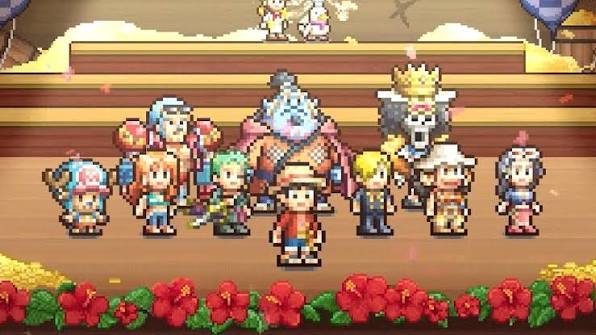
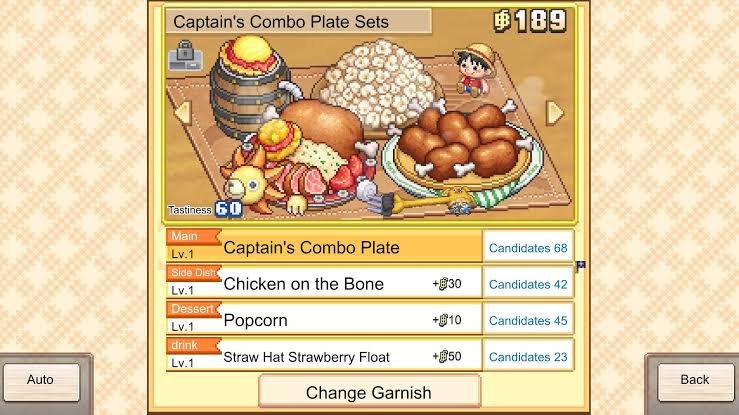
One Piece: Grand Gourmet puts players in charge of a second location of the Baratie, the floating restaurant associated with the One Piece world. The player works alongside the Straw Hat Crew, prepares dishes with Sanji, chooses ingredients, and searches for additional recipes. The cooking loop is paired with the broader task of developing the restaurant rather than treating food preparation as a standalone minigame.
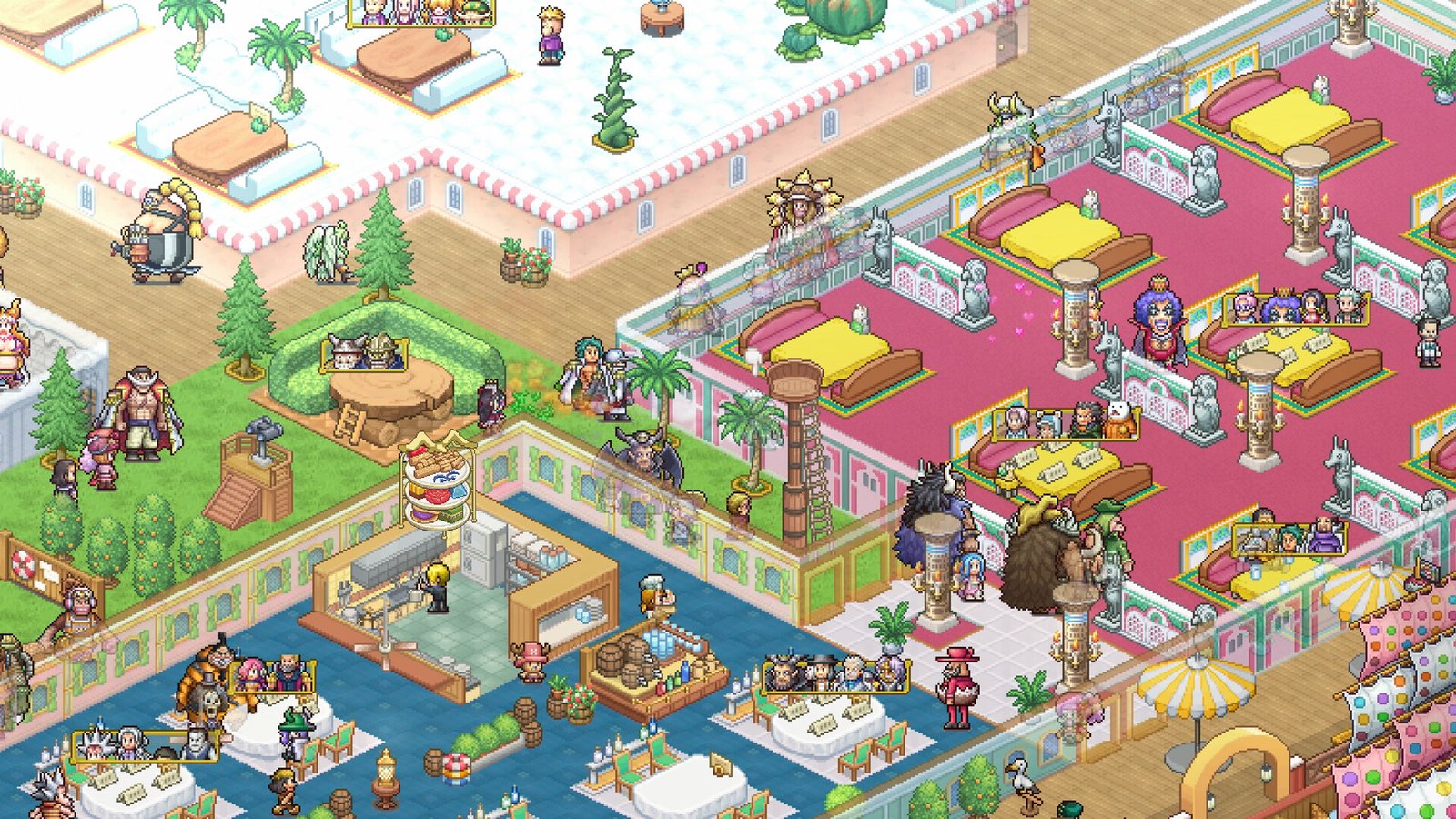
Customization is another central part of the management format. More than 200 furniture pieces, building elements, and decorative items can be used to shape the restaurant’s interior. The available themes include locations and ideas drawn from the series, giving the restaurant a visual identity that players can adjust as they progress. Characters can also react to the design and become regular customers, tying decoration to the social side of the business.
The game’s cast is similarly broad. More than 400 One Piece characters appear as staff members and customers in a pixel-art presentation. Their presence supports character events and interactions while reinforcing the game’s focus on running a busy themed restaurant. The concept combines a familiar license with the structured progression of a business-management simulation, rather than presenting another direct action adventure.
Release Details for Nintendo Players
One Piece: Grand Gourmet is scheduled to launch for Nintendo Switch 2 and Nintendo Switch on October 23, 2026. With the release date approaching, the confirmed technical information is especially relevant to anyone deciding between editions or comparing the game’s docked and handheld presentation.
The central takeaway is clear: Switch 2 is the version to choose for the highest resolution, with 4K available in TV mode, while both Nintendo consoles run the game at 30 fps. The original Switch release remains compatible with Switch 2, but it does not gain the newer edition’s resolution targets through an upgrade pack. That combination of a separate purchase requirement and platform-specific output makes the technical details part of the buying decision, not merely a footnote.
Source: Nintendo Everything