
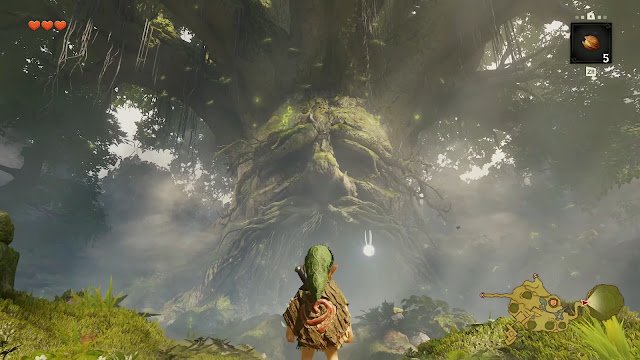
The Legend of Zelda: Ocarina of Time remake for Nintendo Switch 2 will let players completely remove the game’s interface during gameplay. The option, identified in images from a demonstration session, provides three display configurations and demonstrates Nintendo’s ongoing emphasis on customizable immersion for this classic adventure.
Three modes to display the interface
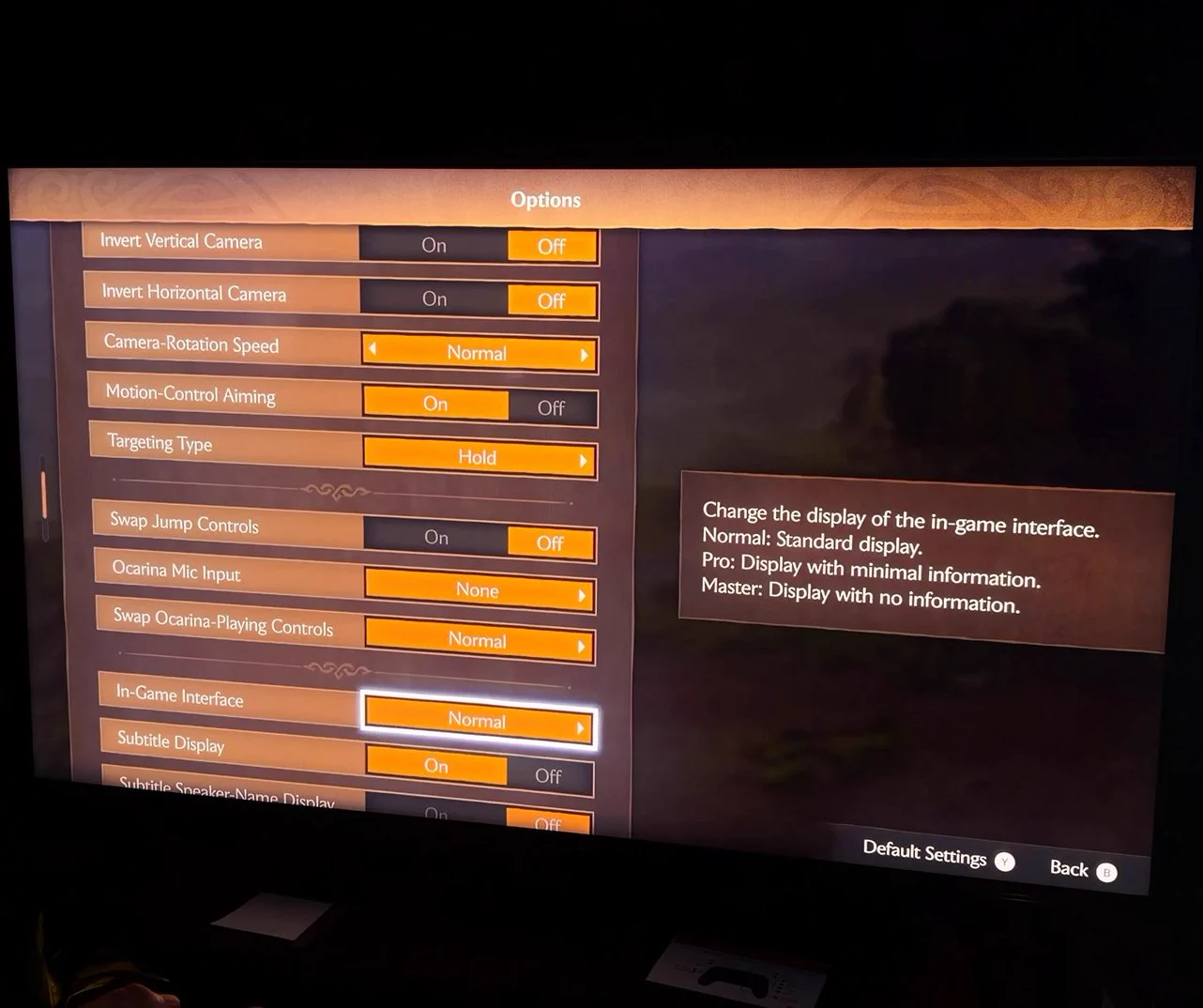
The feature, labeled In-Game Interface, presents three distinct display presets: Standard, Pro, and Master. Standard preserves the traditional on-screen information players rely on during exploration, combat, and puzzle-solving. Pro trims the visible data to offer a cleaner presentation while keeping essential cues available. Master, by contrast, removes all listed interface elements, delivering a completely unobstructed view that highlights the environment and Link’s actions.
What changes when the interface disappears?
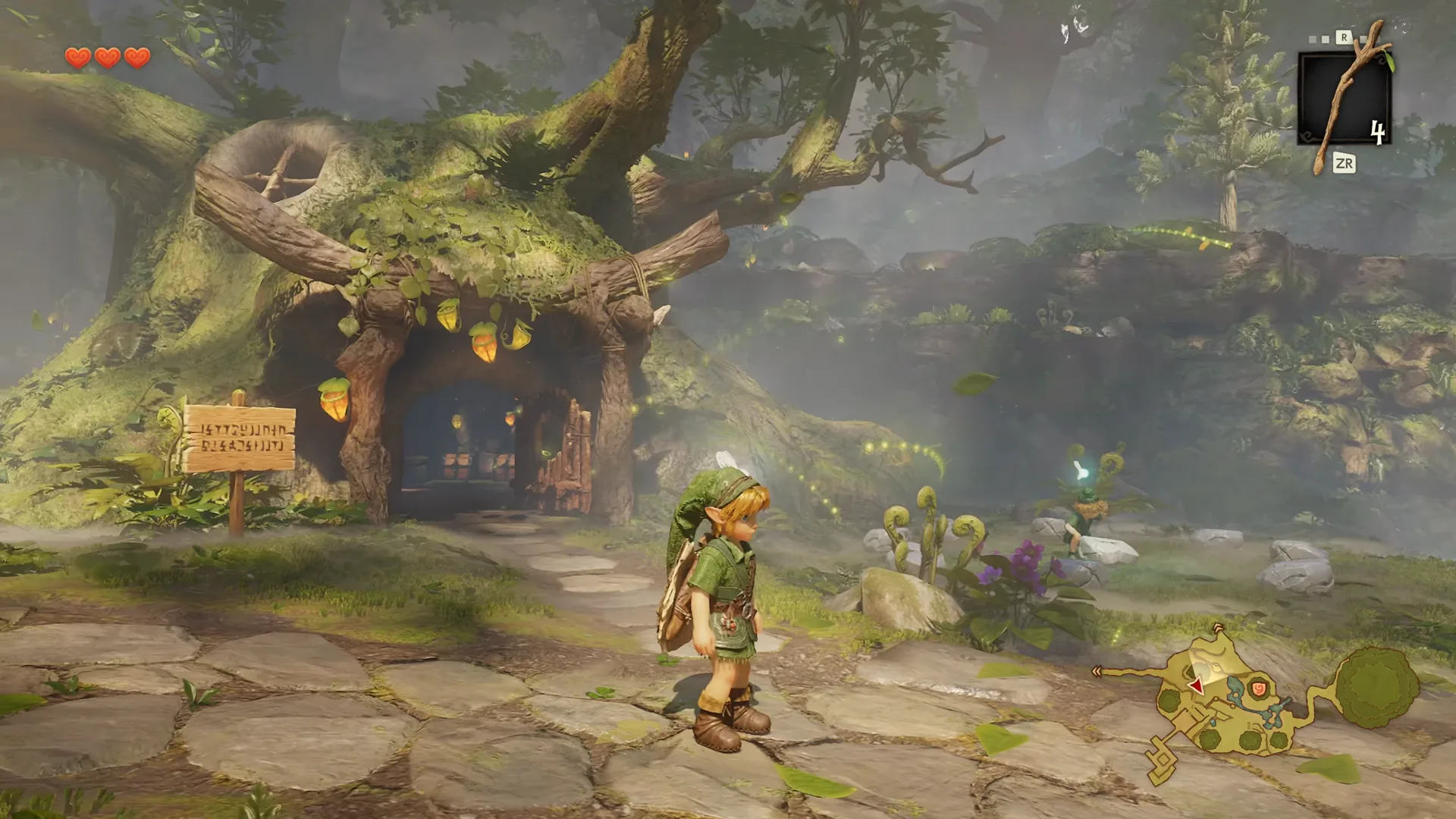
Removing the interface shifts how players interpret moments in the game. With fewer prompts and indicators, players must rely more on environmental cues, audio cues, and memory to navigate hazards, locate items, and time actions. This mode is particularly appealing for players who want a highly immersive run that showcases the remake’s updated visuals and atmosphere.
The interface options are part of a broader set of modernization choices within the Ocarina of Time remake. The options menu also includes camera-related adjustments, such as speed controls and axis inversion, along with controls for motion aiming and how the game locks onto enemies. These additions reflect the effort to adapt a beloved N64 classic to contemporary hardware while accommodating different play styles and preferences.
A new space to revisit familiar battles
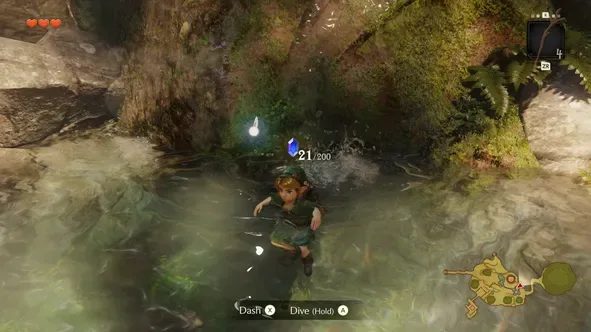
Beyond the interface, the remake introduces the Hall of the Fallen Foes—an in-game space that catalogs enemies Link has defeated and provides opportunities to re-engage with famous boss encounters. This feature offers players a chance to analyze past confrontations from new angles and experiment with alternate combat approaches, enriching the replay value for longtime fans and newcomers alike.
The remake is slated as an exclusive for Nintendo Switch 2, with a release date clearly aligned to the platform’s calendar. The title promises overhauled visuals, a refreshed soundtrack, voiced cutscenes, expanded dialogue, and refined control schemes designed for modern display and input methods. The inclusion of multiple interface modes, particularly the Master Display option, signals a deliberate balance between accessibility and immersion in a remake built to honor the original while leveraging new hardware capabilities.
Impact on gameplay experience
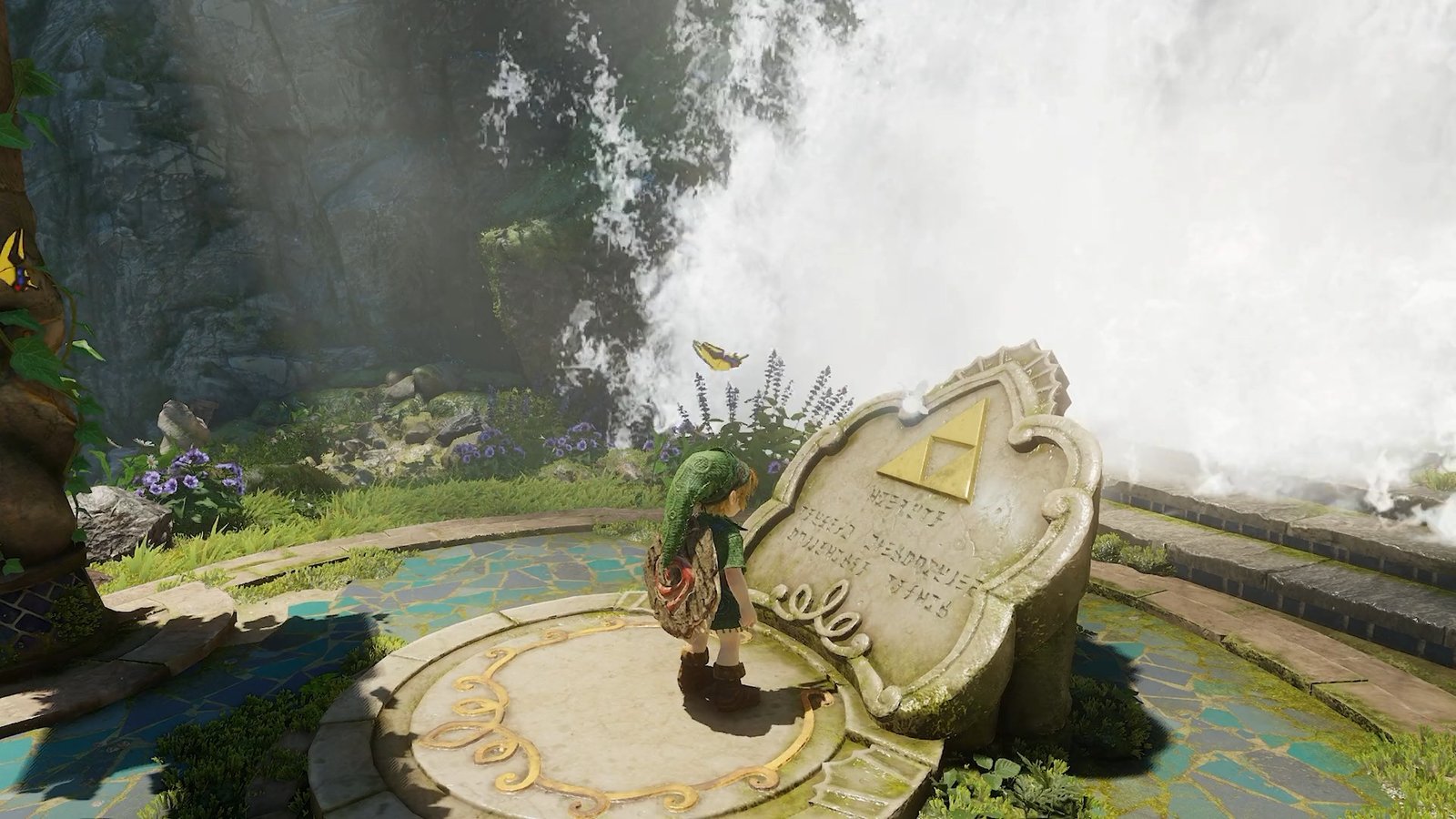
For players new to Ocarina of Time, Standard mode provides a familiar starting point that preserves the conventional HUD and guidance. For veterans seeking a cleaner screen, Pro offers a middle ground that trims distractions without sacrificing essential information. Those chasing a pure, cinematic experience can opt for Master Display to enjoy the game’s world and visuals with minimal on-screen distraction, adjusting expectations for combat cues and item management accordingly.
This approach reflects a broader trend in remakes to customize presentation to individual tastes. By allowing players to tailor the user interface, Nintendo acknowledges that a single presentation cannot satisfy every player’s preference—especially in a title where exploration and atmosphere are central. The Masters Display option, in particular, has the potential to redefine how players experience iconic sequences, famous dungeons, and pivotal boss moments, inviting a fresh perspective on a game that defined a generation of action-adventure gaming.
With the feature set also including camera and targeting refinements, the remake gives players practical tools to shape their gameplay experience on Switch 2. The combination of interface flexibility, improved visuals, and expanded storytelling cues aims to broaden the title’s appeal to both nostalgic fans and a new generation of players discovering Link’s quest for the first time on a modern system.
Conclusion: a remake built for choice
In the end, the ability to toggle between Standard, Pro, and Master Display encapsulates the remake’s core promise: to honor a beloved classic while embracing contemporary gaming sensibilities. The option to remove all on-screen UI elements—without losing access to game state through intelligent design—offers a unique way to appreciate the art direction, level design, and orchestral score that define this landmark adventure. As the release date approaches, players can anticipate a carefully balanced experience that respects history while inviting personal experimentation with how they play, see, and feel Hyrule’s epic journey.
Source: My Nintendo News.