
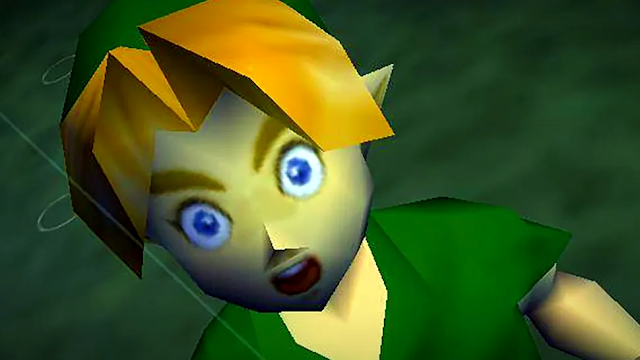
A new feature on The Legend of Zelda: Ocarina of Time revisits Hyrule’s darkest corners, showing how the 1998 Nintendo 64 adventure still unsettles players through a cursed family, a nightmare-filled well, a haunted graveyard, and a ruined town. The feature focuses on the places and encounters that give the classic a distinctly eerie side.
These moments work because they are woven into ordinary exploration. Link does not enter a separate horror mode; he finds disturbing stories and enemies along familiar routes. The contrast with the game’s colorful characters and open-ended discoveries makes each unsettling turn more memorable, while the mechanics make the player feel the danger instead of simply observing it.
Bottom of the Well makes curiosity feel risky
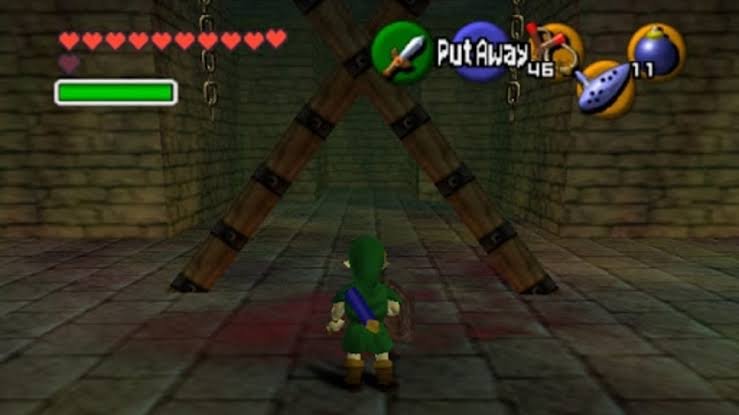
In Kakariko Village, the Bottom of the Well hides a compact dungeon beneath an otherwise familiar settlement. Its tight corridors, concealed rooms, and skeletal details establish a sense of unease before the player understands what is waiting below. The area is tied to Bongo Bongo, a creature once imprisoned there by Impa, and its layout asks Link to search carefully rather than rush from one room to the next.
The enemies turn that caution into a practical concern. Dead Hand bursts from the floor amid grasping hands, while ReDeads can shriek and leave Link unable to move as they close in. The Lens of Truth reveals hidden elements that the eye alone cannot pick out, so progress depends on using the right tool as well as keeping track of threats. The result is an early lesson in how Ocarina of Time makes observation part of survival.
A family’s curse gives collecting a human cost
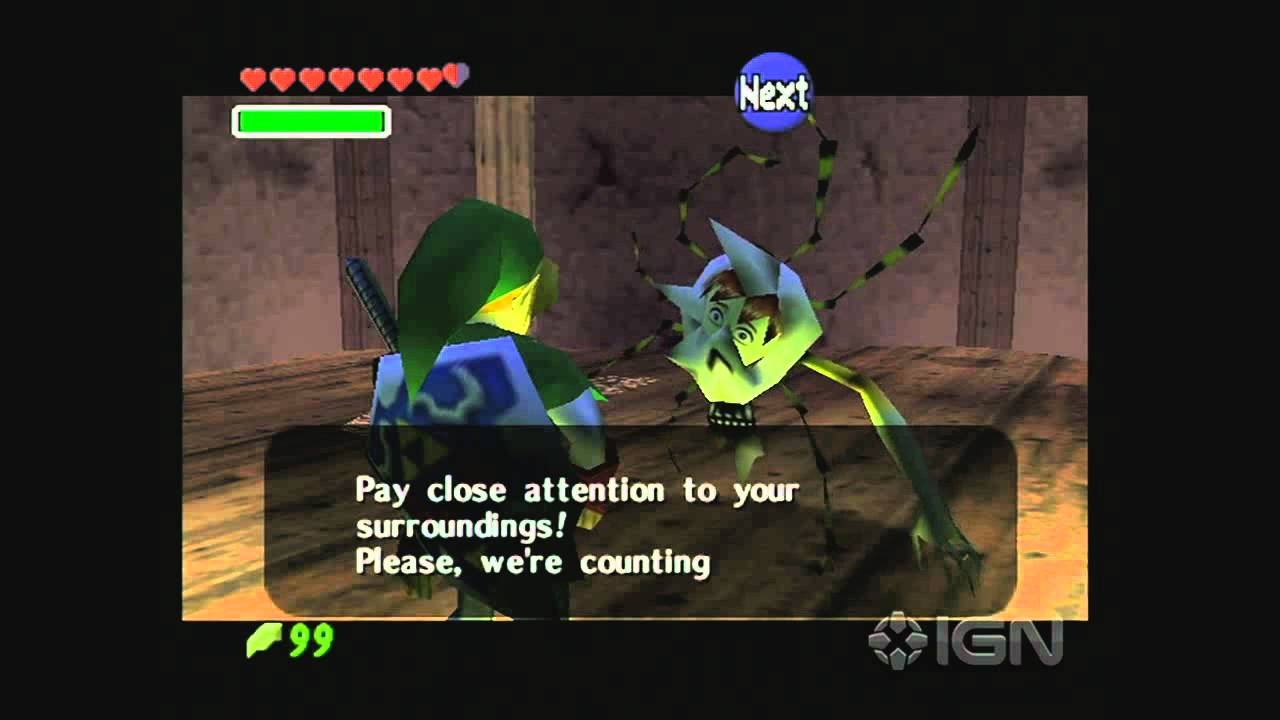
The House of Skulltulas offers a different kind of discomfort. A family in Kakariko has been transformed into spider-like figures by a curse, and Link can help by finding Gold Skulltulas scattered throughout Hyrule. The search is optional, but it reaches beyond a single room: players must notice small clues in places they have already visited and remain curious as the world opens up.
Each rescued family member gradually regains a human appearance, turning a familiar collect-and-return task into a visible story of relief. The rewards matter to play, but the changing household gives the hunt a personal purpose too. It is a quiet example of how the game can make exploration feel consequential without interrupting the adventure with a long explanation.
Kakariko’s graveyard makes time personal
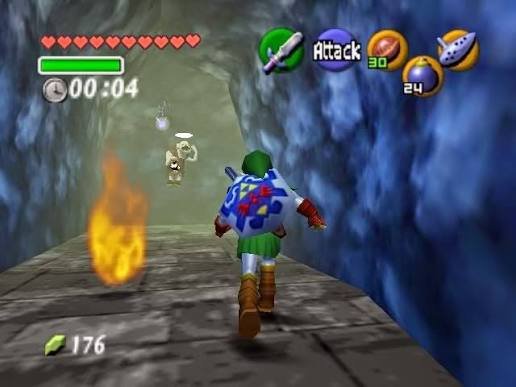
The graveyard in Kakariko is more than a backdrop for tombstones and secret passages. When Link is young, the caretaker Dampé is alive and guides him through a peculiar nighttime experience among the graves. When Link returns as an adult, Dampé is dead. His ghost challenges the hero to race through the underground passages, turning a simple timed course into an encounter shaped by loss.
That shift reflects the game’s central passage of time. Link spends seven years asleep after drawing the Master Sword, and Hyrule changes while he is gone. The race remains a minigame with a clear objective, but the familiar caretaker’s absence gives the route a different emotional weight. The game does not stop to explain the loss; the player recognizes it by returning to a place that has changed.
Nightfall and haunted rooms change familiar routes
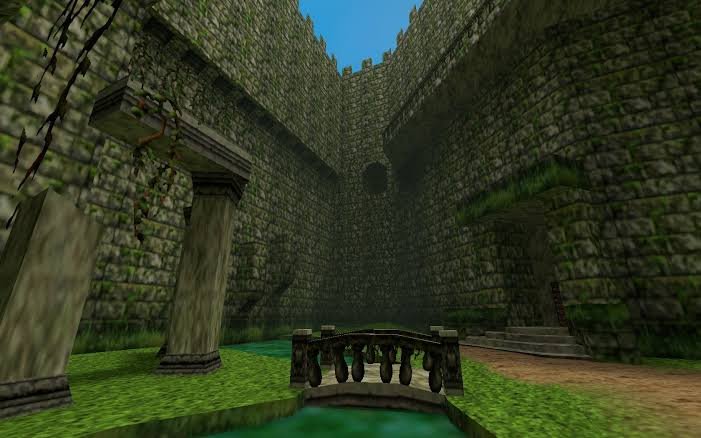
The Forest Temple extends the unease into a full dungeon. Its ghosts appear in paintings, its rooms distort the player’s sense of direction, and Phantom Ganon gives the setting a spectral enemy at its center. In one corridor, the perspective makes Link seem to walk along a wall, even though the floor has shifted to a different angle. The unsettling music reinforces the effect without needing a sudden scare.
Hyrule Field shows how the same atmosphere can emerge during routine travel. At night, skeletons rise from the ground, and Poes haunt selected spots across the plain. Early in the game, when Link has few hearts, crossing the open field after dark can feel riskier than its broad landscape suggests. The Sun’s Song offers a practical response: playing it changes the time and can prevent the night’s skeleton encounters.
Castle Town delivers the sharpest contrast. The lively market Link knew as a child becomes a ruined place after Ganondorf’s rise, with ReDeads occupying the wreckage. Their shriek can freeze Link in place, making the threat immediate, while the empty streets show what has happened to the kingdom during his absence. The transformation turns a once-familiar destination into evidence of the story’s consequences.
Why these corners still matter
 Together, these locations show that Ocarina of Time’s darker moments are not limited to one dungeon or boss. They ask players to use tools, watch the clock, remember where they have been, and notice when a familiar place has changed. That has a direct effect on play: the Lens of Truth rewards careful inspection, the Sun’s Song can alter a hazardous night crossing, and ReDeads make careless movement costly.
The feature’s focus matters because it draws attention to how the game balances unease with the rest of its adventure. A cursed household can sit beside a rewarding side quest; a graveyard race can carry the quiet reminder that time has passed; and a ruined market can make the story’s stakes visible without a new cutscene. Hyrule remains colorful and inviting, but its darkest corners give the journey texture—and help explain why those scenes stay with players long after the final battle.