
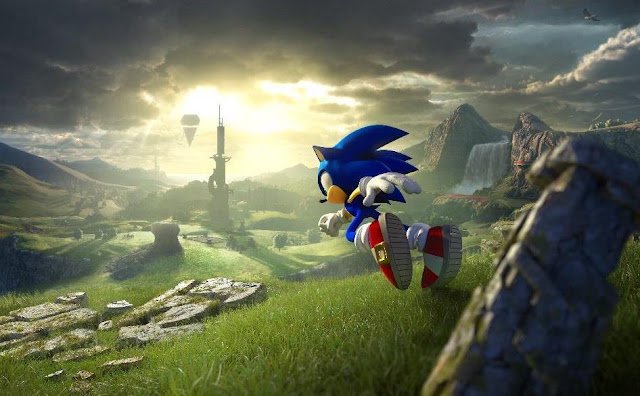
Sonic the Hedgehog has long stood as a pillar of SEGA’s creative lineup, but new details reveal a moment when the franchise’s future inside the company was anything but assured. Takashi Iizuka, the longtime Sonic producer, has said that there was a point when SEGA’s leadership told him to cancel the entire franchise. He was tasked with arguing against that position and fighting to keep Sonic alive for as long as possible, a struggle that occurred before the series found new momentum in later years.
The account Iizuka shares points to a challenging period in the franchise’s history, during which the team faced questions about whether the brand could or should continue. He describes a environment in which the path forward was uncertain, and where internal decisions could have sealed Sonic’s fate. The narrative matters because it shows that a globally recognized IP was not immune to organizational doubt or difficult strategic choices, even while fans eagerly awaited the next title or update.
While Iizuka does not specify exact dates or name the executives involved, his remarks suggest that the pressures came during a stretch when Sonic’s fortunes were uncertain. The broader context most observers consider is the era surrounding Sonic’s mid-2010s releases, a time often associated with unmet expectations for some Sonic titles. The crucial takeaway is that the near-cancellation was a real possibility, and the team’s resolve to persevere played a central role in shaping what came next.
The turning point: the first Sonic movie
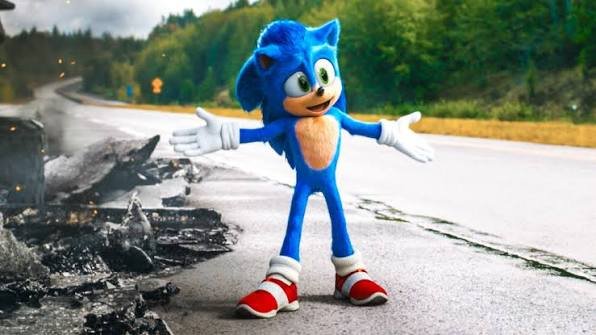
According to Iizuka, the first live-action Sonic movie marked a decisive turning point for the franchise. He credits the film’s success with changing the trajectory of Sonic in SEGA’s broader strategy, helping to restore confidence inside the company and justify continued investment in the character across media. The movie’s strong performance is described as a catalyst that altered perceptions of Sonic’s potential and solidified the case for maintaining a cross-media footprint beyond games alone.
That turning point didn’t immediately erase the franchise’s ongoing dialogue about direction or form. Instead, it provided a proof point that Sonic could resonate with a wide audience and sustain a multi-year, multi-project approach. The result has been a more expansive Sonic ecosystem that includes additional games, remasters, and new film projects—all built on the idea that the character’s appeal extends beyond any single medium. The lesson remains clear: when a major creative property demonstrates resilience in one arena, it strengthens the case for continued experimentation and investment in others.
Games and strategy going forward
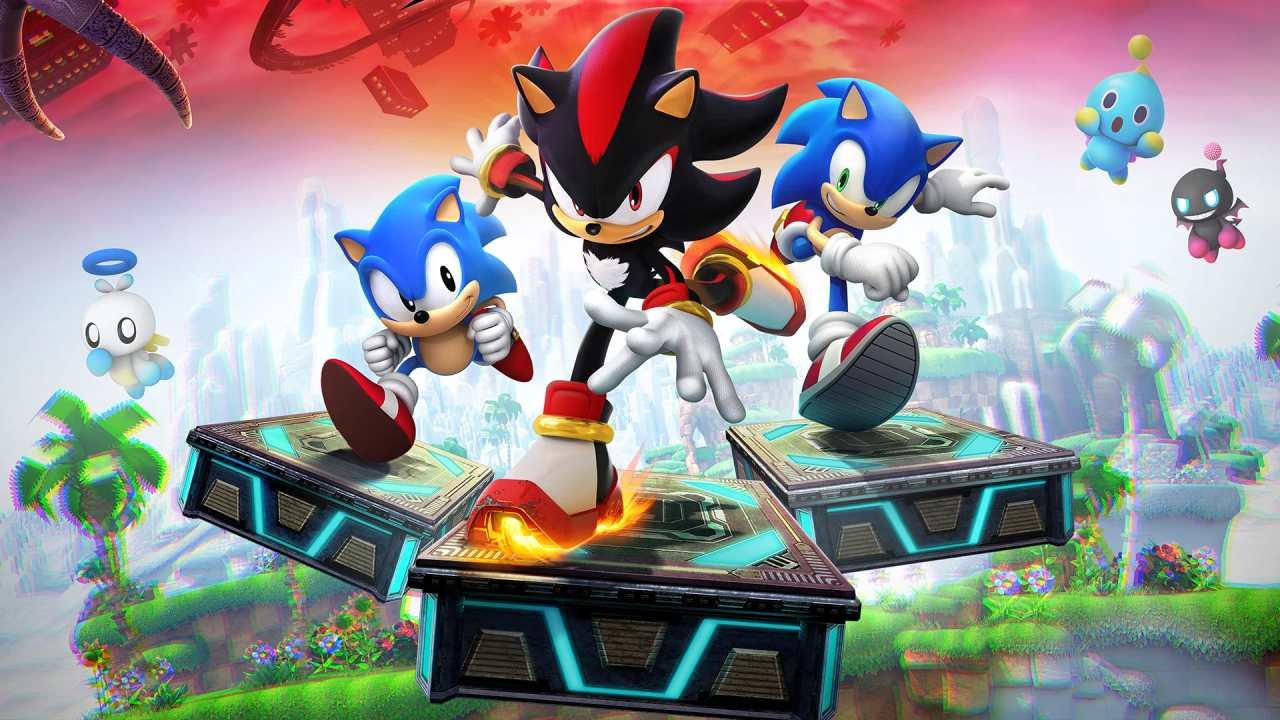 Even as Sonic moved forward in film and other media, the core of the franchise—its games—remained central. Iizuka has spoken about maintaining a balance between traditional, action-oriented gameplay and narrative-driven experiences, a balance that he views as essential to serving both long-time fans and new players. The strategy appears to favor a mix of styles, including 2D and 3D experiences, as well as careful curation of remasters and spin-offs that keep Sonic fresh without abandoning what has made the series meaningful in the first place.
Recent years have shown a willingness to expand the Sonic catalog in varied directions, from remasters to racing spinoffs, while still delivering the core platforming action that defined the series in its early days. The discourse around the near-cancellation underscores why such breadth matters: a strong, flexible plan for Sonic’s future can absorb setbacks, enabling the franchise to pivot when needed and continue to grow its audience across generations.
For readers and fans, the practical takeaway is not a new announcement or a teaser of a future project. It is a historical reminder of how fragile the lifecycle of a major franchise can be—and how decisive it can be when leadership aligns behind a shared vision. The first movie’s success did not erase the challenges of the past, but it provided the validation necessary to sustain ongoing development in games and other media. In that light, Sonic’s current lineup, including remasters and new entries, carries the influence of a turning point that reshaped the franchise’s outlook for the long haul.
Why this story matters to players today
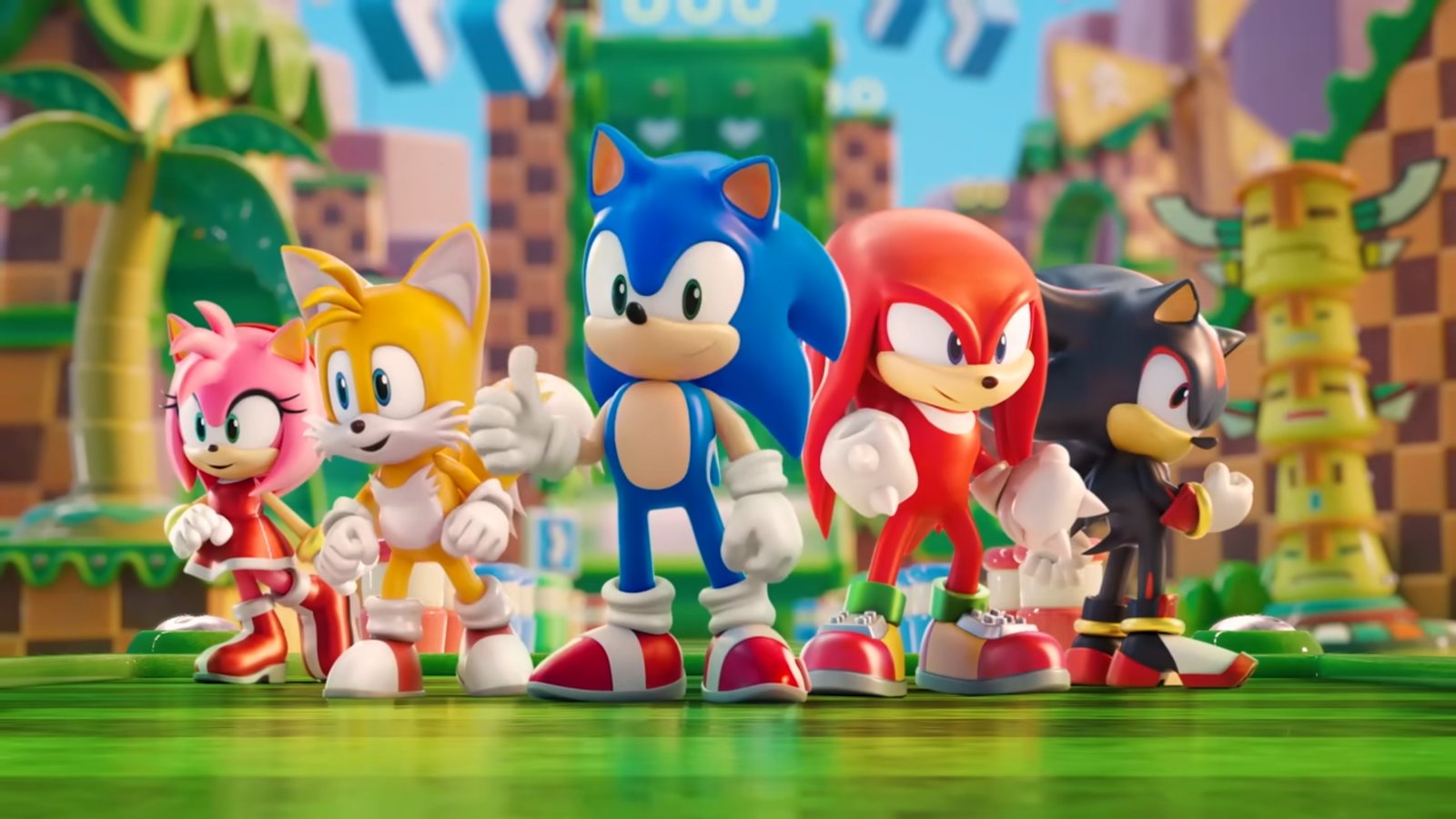
Understanding that Sonic once faced potential extinction inside its parent company adds a meaningful layer to how fans perceive the series’ resilience. It reframes recent successes not merely as luck or trend, but as the result of strategic persistence and a willingness to invest in a character’s broader appeal. The franchise’s revival—evident in well-received games and ongoing film projects—reads as a response to internal doubt transformed into commitment. That arc matters because it helps explain why Sonic remains a continuously evolving property rather than a static lineup of releases.
In the end, the near-cancellation episode is a chapter in Sonic’s broader history—one that illustrates how a beloved character can endure when leadership recognizes the value of sustained experimentation, cross-media storytelling, and a connection to the audiences that made the series a lasting fixture. The lesson for fans is simple: even when the story seems uncertain behind the scenes, there can still be a future that reflects the character’s unique blend of speed, style, and imagination.
Source: Nintendo Life