
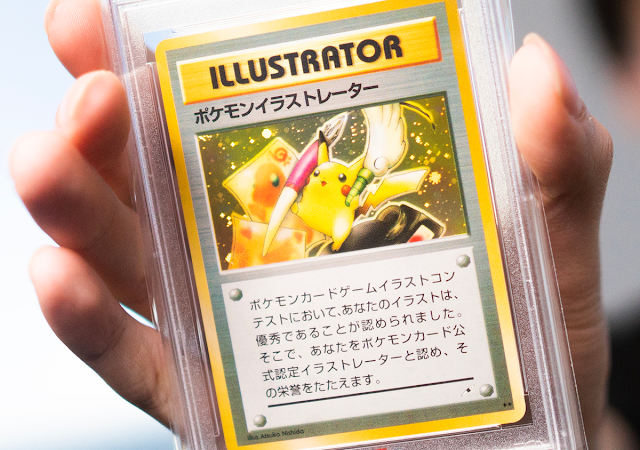
A Pikachu Illustrator Pokémon Trading Card Game card sold for $195,000 at a public auction in New York in 2019. That singular event remains a benchmark for rarity in the Pokémon collecting world and helps explain why this particular promo card continues to command attention decades after its creation. The sale is a historical moment tied to CoroCoro’s illustrated contest and the distinctive promotion that produced only a handful of copies. While the headline here revisits a famous past auction, the emphasis stays on the verified details that define this card’s enduring value.
What happened at the New York auction
The item at the center of this story is the Pikachu Illustrator, a 1998 promotional card awarded to winners of a CoroCoro magazine illustration contest. The auction result was a striking $195,000, a price that echoed and reinforced the card’s notoriety among collectors. The card in question was authenticated and sold as a PSA 9 Mint copy, a detail that matters for buyers and sellers who understand how grading and provenance influence perceived value in high-end card markets.
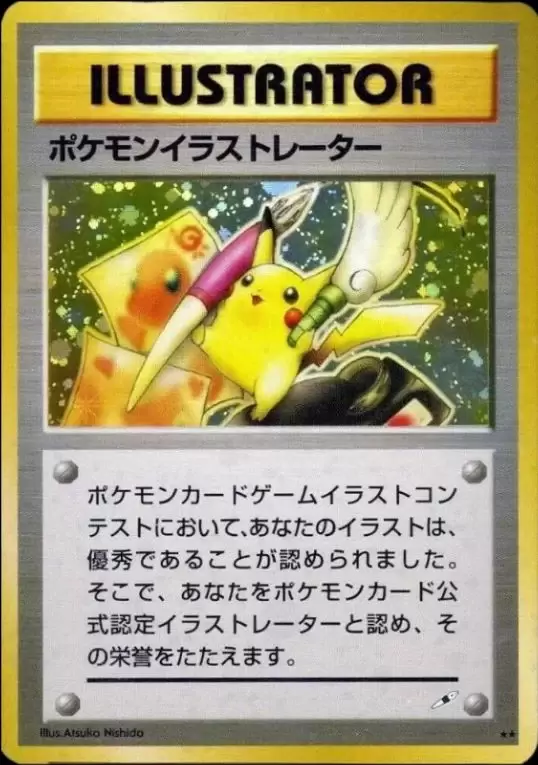 That New York sale occurred in 2019, not in 2026 or any other year. Contemporary reporting confirms the same price associated with a single historical transaction, and readers should treat the $195,000 figure as a past record rather than a guarantee of future pricing for other copies. The emphasis on authenticating and documenting the exact card identity—grading, copy count, and sale context—remains central to interpreting this result in a fair, apples-to-apples way.
The market context for this card is shaped by its origin and its extraordinary scarcity. The card is sometimes referred to colloquially as “Pikachu Illustrator,” but its formal name is Pokémon Illustrator, bearing the unique trainer card designation and a pen symbol that set it apart from standard entries in the Pokémon Trading Card Game. This distinction—paired with the fact that it was not distributed through boosters but awarded as a prize—helps explain why the card is treated as a one-off artifact rather than a broadly available collectible.
Why this card is so rare
Released as a prize in 1998, the Pikachu Illustrator card is tied to the fan-driven illustration contest run by CoroCoro, a Japanese magazine with a storied place in the Pokémon community. The promotional nature of the release means the total production was deliberately capped. Commonly cited estimates place the maximum population at 39 copies, and the broader market has long treated those copies as the rarest of the rare within the Pokémon TCG ecosystem. At the time of the 2019 sale, PSA-certified copies were in the single digits, underscoring the scarcity that underpins any price tag approaching six figures.
The artwork on the card is by Atsuko Nishida, adding a layer of historical and artistic significance to its appeal. The card’s identity—highlighted by the word Illustrator on the top and the pen symbol on the card’s corner—marks it as a unique artifact within the long-running evolution of Pokémon cards. This blend of provenance, rarity, and recognized artistry is why collectors monitor every new listing for this particular card with heightened attention.
What the price does—and does not—tell collectors
The PSA 9 Mint grade is a central part of the card’s formal identity in the sale. Grading communicates a level of condition that directly influences value, and a high grade on such a scarce item can amplify appeal to serious collectors. However, a single auction result does not establish a universal price floor or ceiling for every copy. Market dynamics for ultra-rare cards can wax and wane with condition, provenance, and the presence of authentic documentation, so buyers should avoid assuming that other Illustrator copies will fetch the same price without comparable context.
In evaluating any high-end Pokémon card, buyers must verify the exact card identity, confirm the grading, and consider the sale context. The Pikachu Illustrator’s rarity is inseparable from its provenance—a limited print run, a contest reward, and artists’ involvement all contribute to its legendary status. Counterfeits exist, so authentication and transparent pedigree remain essential for anyone contemplating a purchase or sale at this level of the market.
Why this auction still matters
Beyond the monetary figure, the 2019 sale crystallizes a historical moment in Pokémon collector culture: a modern valuation of a late-1990s prize card that emerged from a fan-focused contest and a Japanese publisher’s promotional ecosystem. The sale ties together several strands of Pokémon history—the CoroCoro connection, Atsuko Nishida’s artwork, and the evolving role of professional grading and authentication in establishing validity for rare items. For readers, the event remains a reminder that value in collectibles often reflects more than the card’s immediate utility; it reflects era, origin, scarcity, and the ongoing narrative collectors attach to a piece of history.
While the news hook is rooted in a past transaction, the implications continue to shape collecting strategies today. Investors and hobbyists alike benefit from understanding that extreme rarity can translate into high prices, but those prices must be interpreted through precise documentation, context, and careful comparison of like-for-like copies.
Bottom line for readers
The Pikachu Illustrator’s 2019 New York auction result of $195,000 stands as a landmark moment in Pokémon card history. Its rarity, provenance, and PSA 9 Mint condition coalesce to explain why this single copy commanded such a price. For enthusiasts and future buyers, the key takeaway is clear: in the world of ultra-rare Pokémon cards, authenticity, identity, and precise context matter just as much as the headline figure.
Source: Nintendo Life