
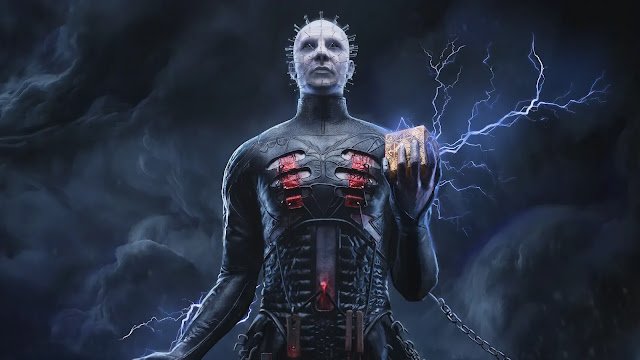
A new behind-the-scenes video shows how Pinhead was created for Clive Barker’s Hellraiser: Revival and how the iconic character was adapted for a first-person game. The material covers the earliest ideas discussed with Clive Barker, the effort to translate Pinhead’s film appearance into an interactive setting, and the decisions that shape his place in the story.
The video presents the adaptation as a process of careful reconstruction rather than a simple transfer from movie to game. The team began with the character’s established identity and looked for ways to preserve his defining presence while making him work within a format in which players experience events directly through the protagonist’s perspective. That shift affects both what Pinhead looks like and how he can participate in the narrative.
From film reference to first-person game
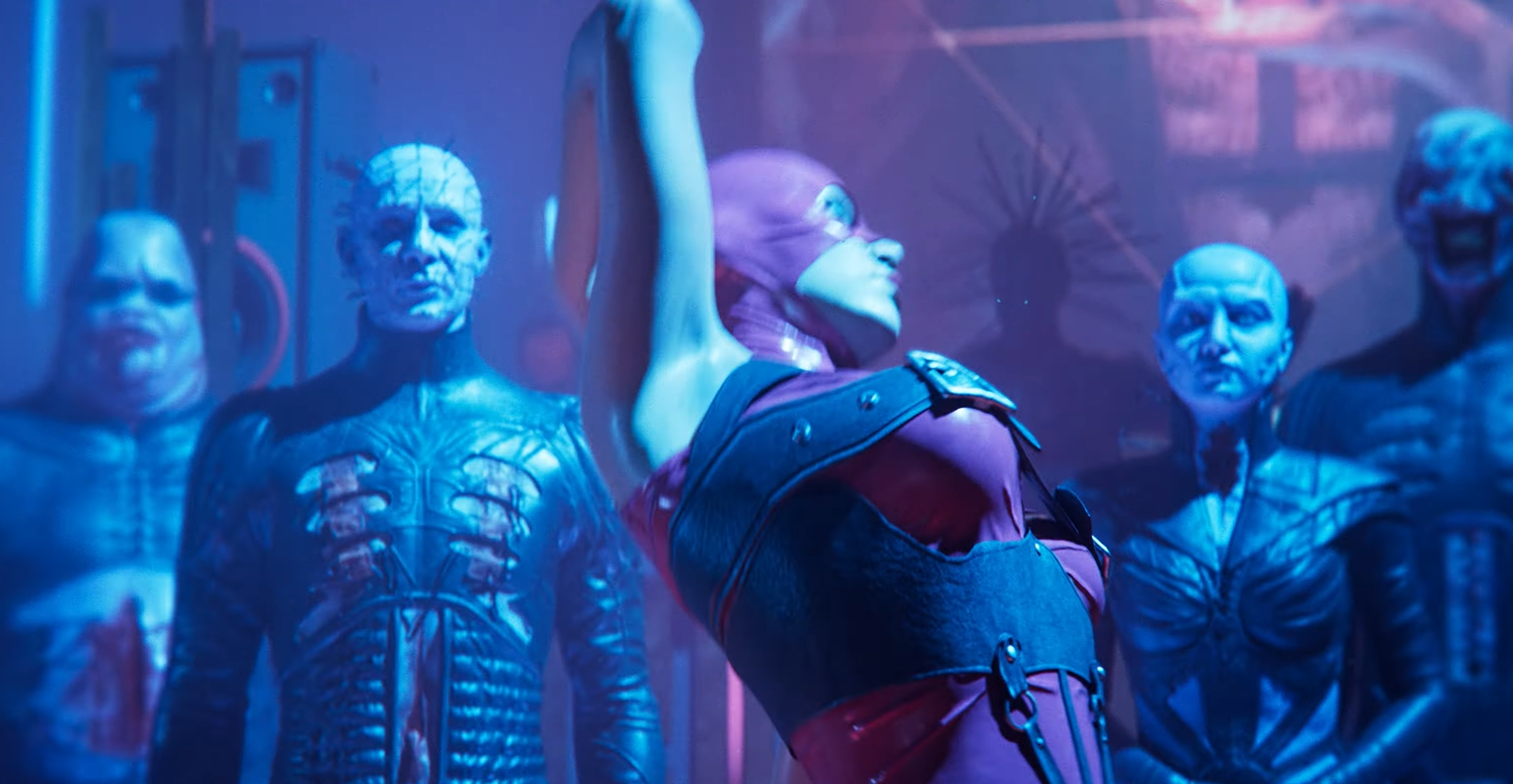
One of the practical challenges was the lack of access to the original costumes. To compensate, the developers gathered as many images from the films as possible and used them as visual references. The source material did not always provide a complete answer: many scenes are very dark, so some details of the original design cannot be reproduced with absolute precision.
That limitation gave the team room to make controlled changes without abandoning the character’s recognizable foundation. The goal was not to redesign Pinhead from scratch. Instead, the game treats the film version as a starting point for an evolution, with subtle adjustments to his face and selected parts of his clothing. The result is intended to feel familiar to fans while belonging naturally to the world of Hellraiser: Revival.
Adapting Pinhead to first-person play also changes the weight of his appearances. In a movie, the character can dominate a scene through framing, performance, and a few carefully timed lines. In a game, his presence must fit into an ongoing interaction with the player. The development process therefore considers not only how he is presented on screen, but also how he functions when the audience is moving through the environment and responding to the story in real time.
A larger role in the story
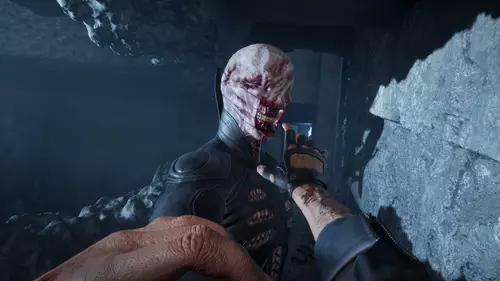
The video also focuses on the decision to give Pinhead more depth in the new narrative. The character is not being treated as someone who appears only briefly, delivers familiar lines, and then disappears. The team wants to explore his motivations and objectives, giving him a more substantial relationship with the events that unfold during the game. The video notes that Doug Bradley returns to voice Pinhead, and Clive Barker approved the expanded narrative direction.
That approach places Pinhead alongside the central story rather than leaving him on its edges. The plot is not built solely around Aidan and Sunny; Pinhead is also expected to play a central part in what happens. This does not erase the threat associated with the Cenobites. It gives the character a clearer dramatic purpose and makes his involvement part of the structure of the story, not just a recognizable callback for the franchise.
The distinction matters because Hellraiser: Revival is using an established horror icon in a medium that requires sustained interaction. A brief appearance can create a memorable shock, but a game built around exploration and survival needs characters and threats that can support a longer progression. The new material shows that Pinhead’s adaptation is being considered on those terms, from his updated visual details to the way his presence helps carry the narrative forward.
What the new video clarifies for players
For fans watching the footage, the most useful takeaway is that the differences from the films are deliberate and limited. A darker reference image or a missing costume piece does not mean the character has been replaced by a new interpretation. The developers are using those gaps to refine the design for the game while keeping the familiar silhouette, face, and overall identity intact.
The creative connection to the original franchise is also part of the project’s confirmed foundation. The game’s story received Clive Barker’s approval, and Doug Bradley returns to provide Pinhead’s voice. Together with the discussion of the character’s motivations, those details point to an adaptation that is trying to connect its new interactive structure with the tone and history associated with the series.
Clive Barker’s Hellraiser: Revival is a story-driven survival horror action game, and its Nintendo Switch 2 release is scheduled for October 8, 2026, alongside the other versions. Players will face Pinhead and the Cenobites in a battle involving the fate of an immortal soul, while the game’s first-person design makes the confrontation part of the player’s immediate view rather than a distant set piece.
That is why the creation video is more significant than a routine character feature. It documents the specific work required to move Pinhead from a film-based performance into an interactive role without losing the elements that define him. The visual changes, the first-person perspective, and the expanded narrative function all serve the same purpose: making Pinhead a fully integrated part of Hellraiser: Revival instead of a familiar figure added after the fact.
Source: Nintendo Everything