

A spoiler-free starter guide for Fire Emblem: Fortune’s Weave focuses on helping players begin their journey in Dagda. It addresses the game’s many interconnected systems, from multiple protagonists and tactical battles to exploration, relationships, training and character development. Rather than reveal story details, the guide concentrates on making early decisions with confidence.
The central lesson is to approach the game as a set of choices that can be adjusted over time. Players can explore different routes, build a focused team and refine their tactics as they learn how the systems work together. That framework gives newcomers a way into the series’ strategy while helping experienced players adapt to this entry’s particular features.
1. Explore more than one protagonist’s route

The game lets players follow different protagonists, each with a distinct perspective and a cast of characters who can join the journey. Choosing one path does not mean the others should be ignored. Experiencing additional routes reveals more of the world, supports different team combinations and helps players discover which characters fit their preferred style.
Map discoveries carry forward between routes. Locations uncovered while following Cai remain visible when beginning Leda’s route, making later exploration more efficient. Campaign boundaries still apply, however: areas blocked by the story structure remain inaccessible. The shared discoveries reward curiosity without opening the entire map at once.
2. Build a team around the battle ahead
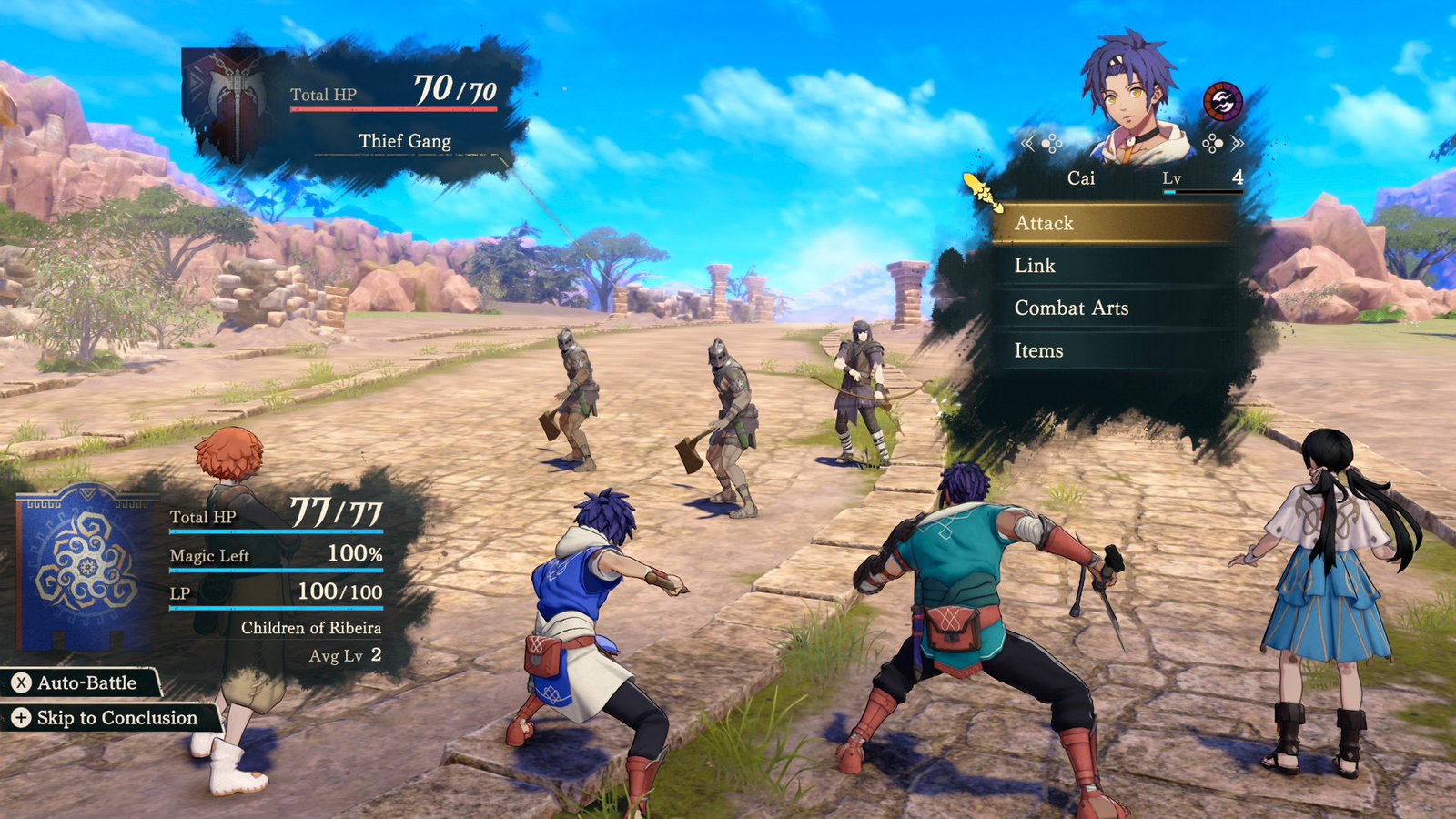
A lineup selected only for damage may lack the tools to handle a difficult encounter. A balanced formation can place a resilient character up front to absorb pressure while ranged attackers support from behind. Before major battles, check the forecast, consider the enemies expected and choose units that can respond to their strengths and weaknesses.
Preparation matters when a fight begins to turn. Check enemy defenses, attack ranges and vulnerabilities before moving; a safer setup can be better than rushing toward the nearest target. A powerful character is not automatically the best choice for every map, while a defensive role or useful counter can help protect the whole formation.
3. Make downtime work for the team

Quiet periods in Dagda are an opportunity to prepare. Players can train, develop skills, strengthen relationships and improve characters before the next challenge. Treating these activities as part of the strategy makes the calmer stretches useful rather than time to rush through.
The calendar affects temple visits: serving at a deity’s temple on that deity’s day gives a larger bonus to its blessing level. On Dagda’s day, every temple receives a bonus. Checking the schedule can therefore help players choose a timely opportunity to invest in the blessing that best supports their team.
4. Plan classes and character growth
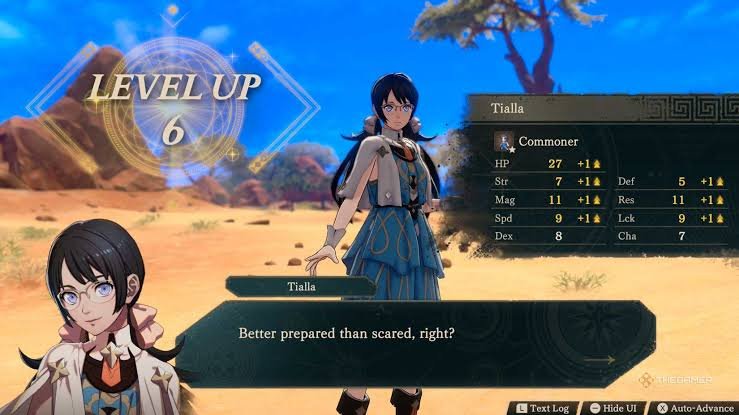
Leveling up is only one way to strengthen a unit. Classes and skills shape a character’s role, so it helps to decide how that unit should contribute before settling on a development path. A sturdier front-line fighter calls for different choices than a character built around ranged attacks, and the system allows players to explore combinations.
Personal skills, base attributes and growth tendencies are also worth considering. Understanding each character’s characteristics can make development choices more coherent and help avoid a build that does not fit the intended role. The goal is not to make every unit alike, but to assemble a team whose strengths complement one another.
5. Slow down when a battle gets dangerous
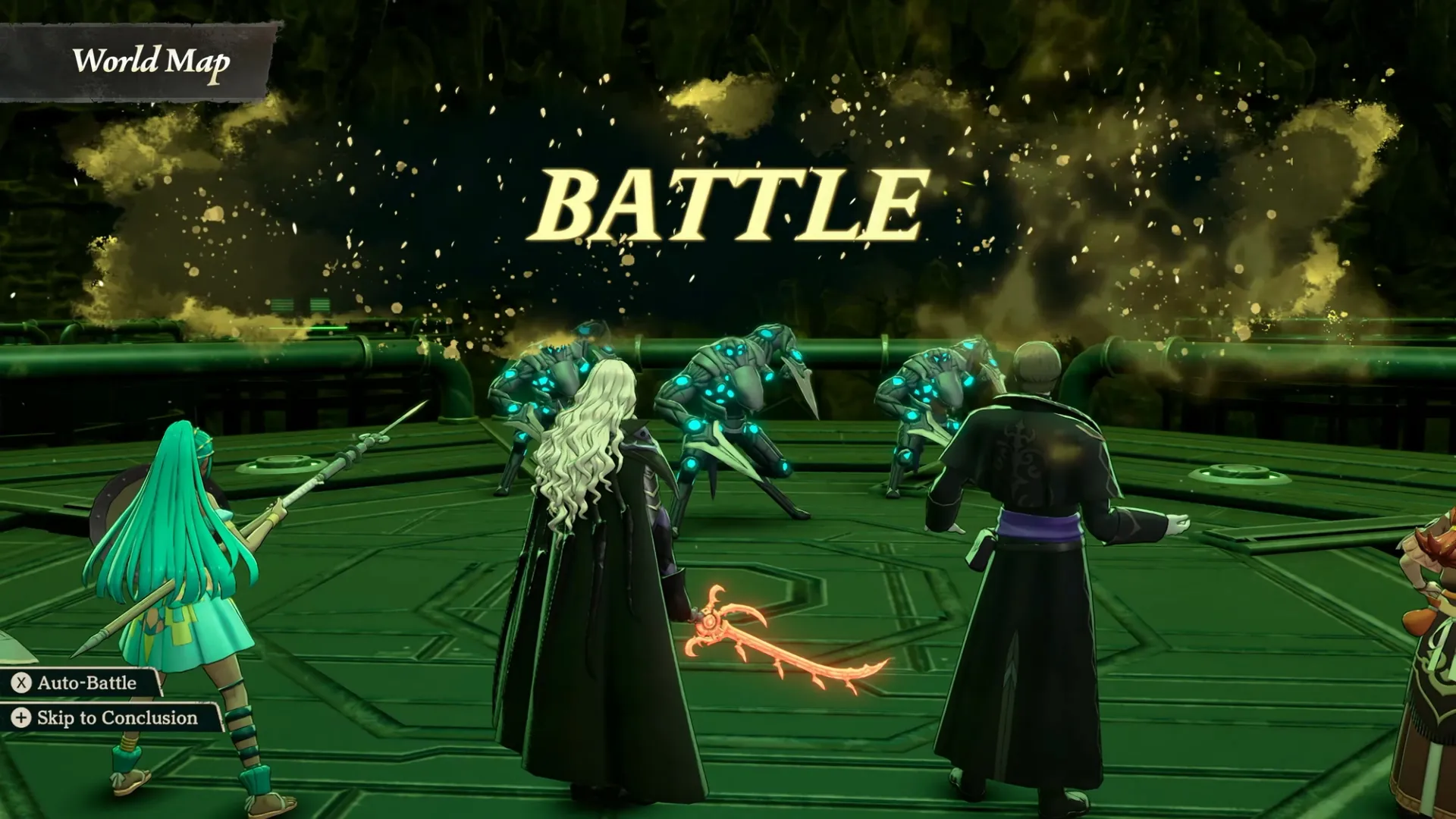
Before attacking, inspect enemy reach, defenses and possible weaknesses. Holding position to prepare a follow-up can be safer than forcing an immediate elimination. That caution is especially important with permadeath enabled, since a fallen character may be lost permanently. A quick check of the field can prevent an aggressive move from putting a valued unit at risk.
There is also no need to develop every available character at the same pace. Concentrating resources on a main group gives those units room to grow into complementary roles. Planning recruits for each route helps keep that investment focused, while leaving other team combinations for a later playthrough creates room to experiment.
6. Manage weapons and Combat Arts
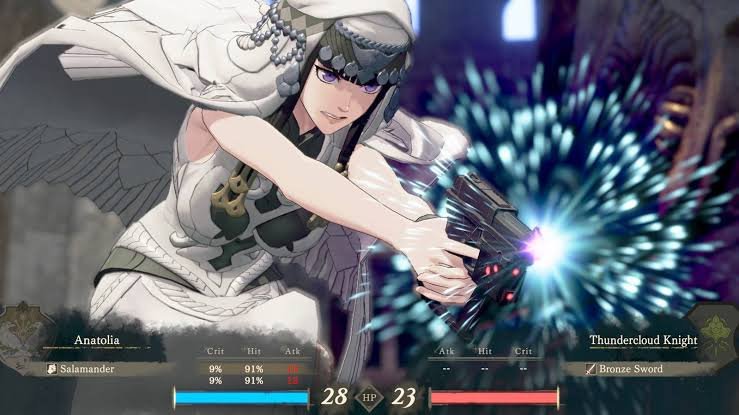
Weapon upkeep is part of preparation. Refining equipment strengthens it and can improve a unit’s performance, while keeping different weapon types available helps when an opponent is vulnerable to a particular match-up. The practical aim is to have a suitable option ready when a battle calls for it.
Combat Arts can deal heavy damage or create an advantage in a difficult moment, but they wear weapons down more than ordinary use. Using them for every attack may leave equipment unusable when it matters most. Saving a Combat Art for a decisive opening or dangerous enemy makes its extra cost more worthwhile.
7. Reset, learn and adjust

If a plan fails, rewinding a few turns and trying a different approach can be useful. Identify what caused the setback: an enemy’s range, an exposed unit or an overlooked option. Learning from that cause turns a reset into preparation for the next attempt.
Fortune’s Weave can feel complex because it asks players to manage routes, units, activities and combat choices together. Taking those systems one decision at a time makes the opening more approachable: observe the field, invest in a purposeful team, use downtime well and adjust when needed. That is a practical way to find a steadier start in Dagda while retaining the freedom to play your way.