
The Dynasty Warriors 3: Complete Edition Remastered review lands on Nintendo Switch 2 with a clear, time-spanning aim: to revive a landmark Musou package that helped shape the genre while testing whether its core appeal still translates to 2026. The edition bundles the original Dynasty Warriors 3 with its Xtreme Legends expansion, and it arrives in a package that emphasizes modern visuals, expanded content, and a refined combat loop. The verdict notes a balanced blend of nostalgia and friction: the remaster elevates the package, but it doesn’t erase the age of the underlying design.
On Switch 2, Dynasty Warriors 3: Complete Edition Remastered includes more than 40 officers, a comprehensive roster that spans the Three Kingdoms era and several unlockable figures. The expansion adds extra stories for key officers, additional customization options for bodyguards, new weapons, and four additional challenge modes. The result is a two-in-one experience that aims to offer both the classic campaign and a broad swath of new content in a single remastered package. While the visuals have been reworked for modern hardware, the heart of the experience remains faithful to the 2001 design that helped define the series’ approach to large-scale battles.
A revisit to the Musou formula that still feels familiar
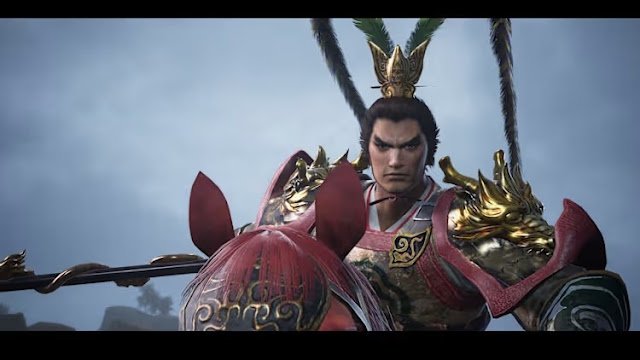 Dynasty Warriors 3 is widely recognized as a turning point for the franchise, introducing mechanics that would become staples of the series. The remaster preserves that DNA: players select a single officer and plunge into battles that pit hundreds, even thousands, of soldiers against a central officer and a handful of elites. The objective often revolves around strategic positioning and battlefield awareness as much as it does toward pure head-to-head combat. The hybrid action and strategy remains a distinctive flavor of the game, and it’s this identity that the Remastered edition leans into rather than attempting a drastic genre reimagining.
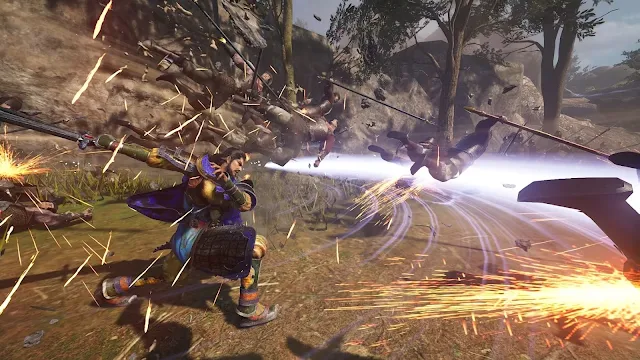
The combat system centers on a mix of normal attacks, special moves, and combos designed to slice through large enemy formations. The remaster introduces new defensive tools that broaden the player’s options. A dodge mechanic and a precise guard window, which can stagger opponents, help players navigate punishing encounters and counterattack with greater certainty. These additions provide meaningful choices in how to approach groups of foes, which helps soften some of the original’s rough edges without altering the core rhythm of a Musou frontline charge.
A battlefield that still matters beyond numbers
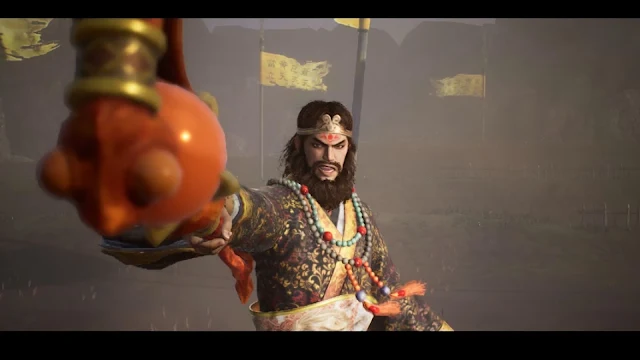 One of the review’s strongest notes is how the level design and battlefield layout influence strategy. Each battle map presents multiple routes and objectives, meaning success hinges on reading the terrain and timing a push on the correct avenue. It’s not enough to simply mow down soldiers; players must respond to evolving threats, defend key locations, and adapt to enemy reinforcements. The minimap becomes a practical tool rather than a decorative element, guiding decisions about when to press forward, defend a base, or exploit a weak point in the enemy’s line.
The inclusion of extra stages and new scenarios across the Complete Edition Remastered enriches the sense of a wider war to command. Veteran fans will appreciate the broader roster and the additional resources for honing officer performance, while newcomers can approach a longer, more varied campaign that still respects the foundational rules of the original game. The result is a more robust single-player experience that remains accessible to players who learned the series through more modern entries.
Progression, customization, and the sense of growing with the army
Progression in the remaster shifts toward a more flexible character development system. Officers gain levels, and equipment can be fused to transfer elemental attributes and abilities, opening up new combinations for building a preferred loadout. While the fusion system is straightforward, it introduces a layer of strategy that complements the battle plan rather than dominating it. Alongside new weapons and costumes, the expansion adds a sense of progression that is familiar to modern players while keeping the core upgrade loop intact from the original game.
Another notable element is the Deluxe package’s retro costumes, which bring back dozens of throwback outfits. These cosmetic options do not overhaul mechanics, but they offer a nostalgic wink for players who remember the PS2-era presentation. The inclusion of more than 40 officers, expanded customization, and new aesthetic choices helps justify revisiting the title for fans who want to experience a fuller, more varied version of the classic campaign in a single package.
Local co-op and the road to online play
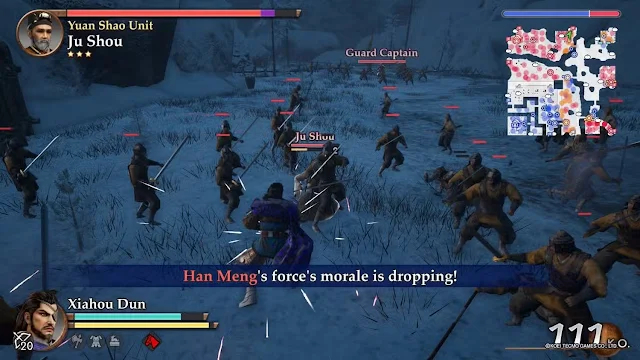
The remaster preserves local two-player play, allowing friends to share the screen and tackle campaigns or duel in competitive modes. The shared-screen co-op remains a core identity of the Dynasty Warriors experience, and the new edition makes this an immediate, tangible hook for players who enjoy couch co-op. An online two-player option has been announced for a future update, with potential crossplay considerations. For now, the Switch 2 edition emphasizes the social, on-the-couch experience that defined the early titles while signaling ongoing support for online connectivity in the franchise’s evolving era.
In practice, the absence of online play at launch does not undermine the remaster’s value, but it is a notable omission when evaluating a modern console release. Players who prioritize online partnerships or cross-platform play will want to monitor future updates for Switch 2 to see whether the promised online functionality arrives and how it performs. The current package, however, is very much about reintroducing a classic with friends on a single system and savoring the shared action on local co-op routes.
Visuals, performance, and aging presentation
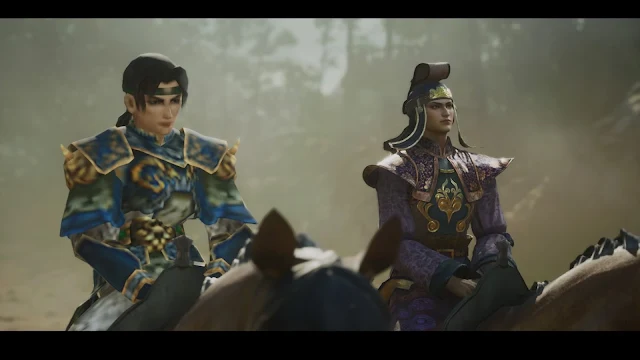
The most visible update comes from Unreal Engine 5’s reworking of character models and battlefield visuals. The intent is to present a crisper, more dynamic battlefield while preserving the game’s recognizable character silhouettes and combat gestures. Yet the Switch 2 version is a tricky balance: the visuals are cleaner, but the remaster cannot fully erase the sense that some textures, environments, and animations belong to an earlier generation. Frame-rate stability occasionally dips when a dense cluster of particles and effects crowd the screen, underscoring the challenges of porting a two-decade-old design to a modern handheld platform.
Environments can feel generically designed, and enemy behavior remains largely scripted, which can contribute to a sense of repetition. The AI’s limitations are not new to the remaster, but they remain a friction point for players who expect a more nuanced challenge on a contemporary system. For some, these factors will be outweighed by the game’s depth and the surge of nostalgia; for others, they will be a reminder that classic mechanics age differently on modern hardware.
Who should consider Dynasty Warriors 3: Complete Edition Remastered on Switch 2?
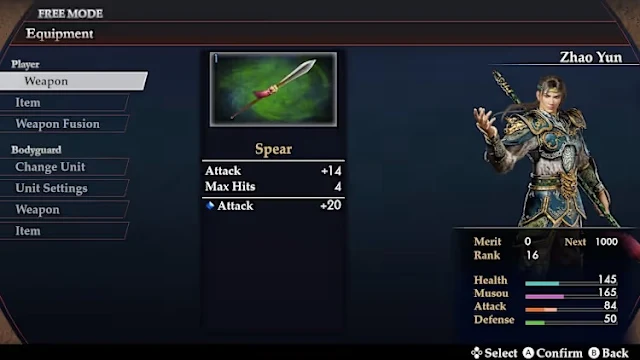
If you prize a faithful revival of a foundational Musou experience, this remaster succeeds in packaging Dynasty Warriors 3 and Xtreme Legends with meaningful enhancements. The larger roster, a broader suite of weapons and cosmetics, and the return of the local co-op mode all contribute to a package that can deliver substantial value for longtime fans and curious newcomers alike. If you seek a modern action experience with highly refined AI, streamlined pacing, and cutting-edge visuals, you may walk away with mixed feelings because those elements linger in the original design’s shadow. The end result is a thoughtful revival: it acknowledges the classic’s importance, expands its scope, and invites a new generation to wrestle with a game that helped define a genre, even as it reminds players that some corners of the past resist a complete reimagining.
Source: Nintendo