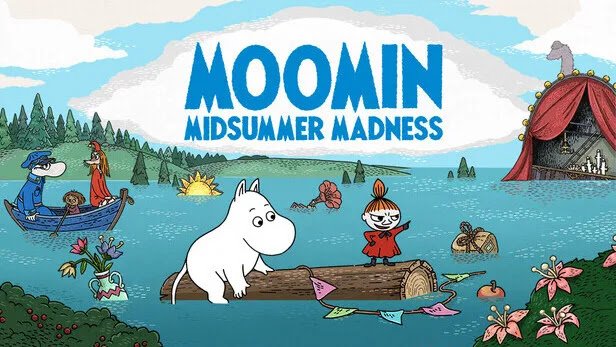
Moomin: Midsummer Madness will launch for Nintendo Switch and Nintendo Switch 2 on November 12, 2026, giving players on both systems a new point-and-click adventure before the year ends. The game follows familiar Moomin characters as a flood reshapes Moominvalley, pushing the family to seek shelter and a path back home. Players will guide Moomintroll, Little My, and their friends through a world that blends recognizable scenes from the Moomin universe with new, game-specific chapters designed to expand the journey beyond the book’s pages.
Developed by Crossbridge Game Studios, the title is inspired by Tove Jansson’s beloved Moominsummer Madness. The premise centers on disruption caused by water and weather, a theme deeply resonant in the source material, and reimagined through the lens of an adventure game. The developers have committed to a hand-drawn art style that stays faithful to the classic aesthetic while offering the intimacy and charm that fans expect from a cozy Nordic setting.
A hand-drawn, story-driven journey
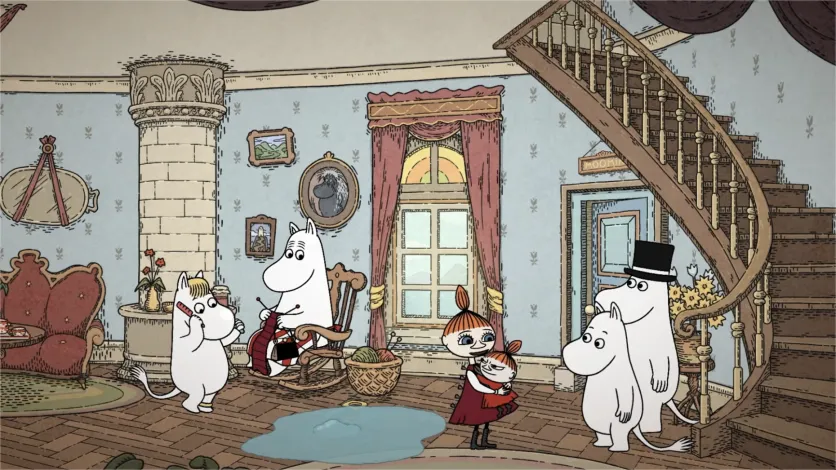
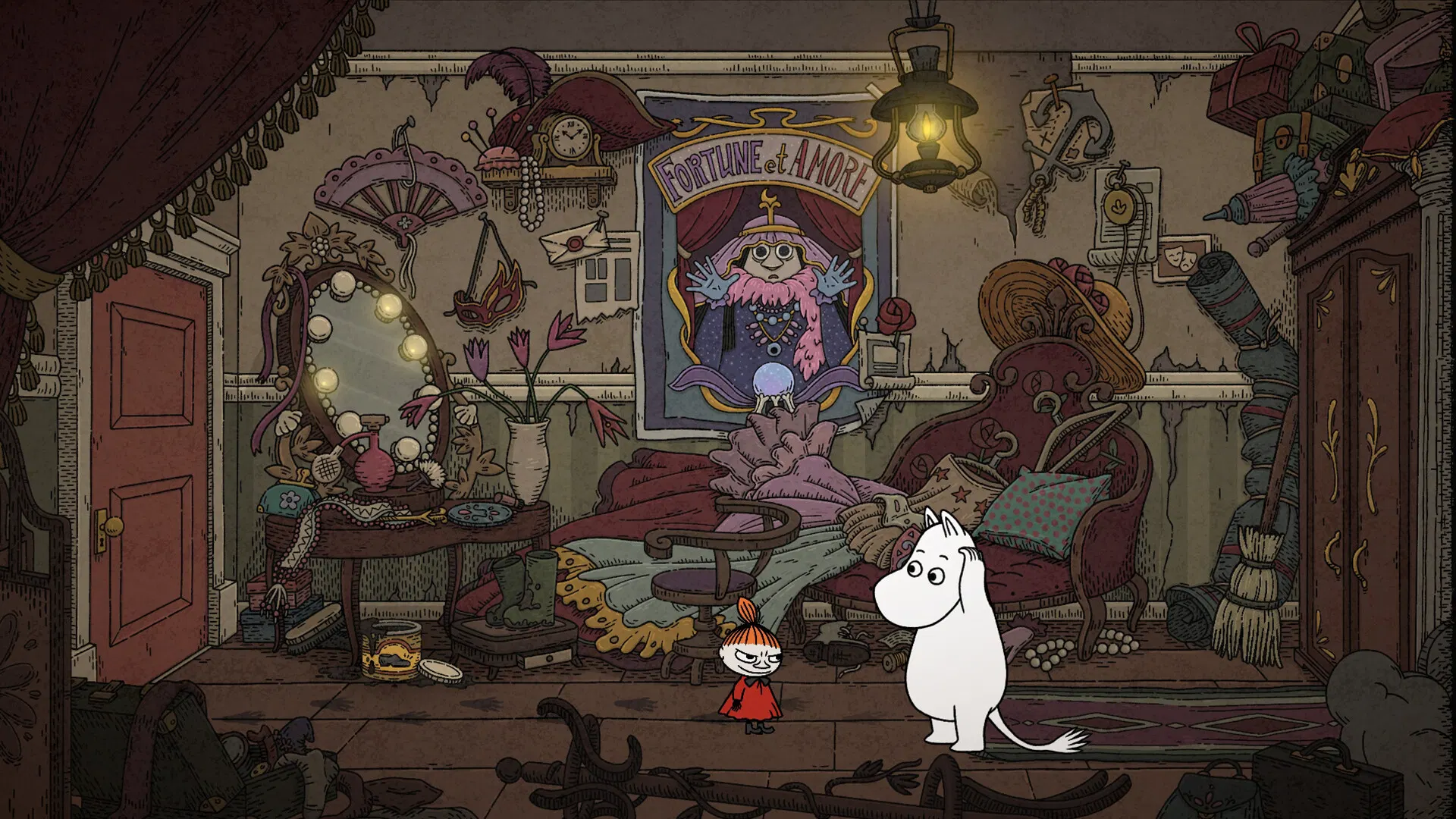
The adventure places Moomintroll and Little My at the heart of a journey home that unfolds through exploration, dialogue, and puzzle solving. The path between the valley and its floating theatre is lined with encounters that require careful observation and thoughtful choices, rather than combat. Players will experience a narrative that mirrors key moments from the original novel while also encountering fresh episodes crafted to deepen the characters’ arcs and relationships.
As with many modern point-and-click titles, Midsummer Madness emphasizes atmosphere and pacing. Each chapter introduces new challenges, dialogues, and mini-games that keep the pace from stalling while preserving a sense of discovery. A built-in hint system is included to provide guidance when a puzzle proves tricky, helping players enjoy a relaxed, non-punishing experience that’s accessible to newcomers and seasoned adventurers alike.
Character-switching and puzzle design
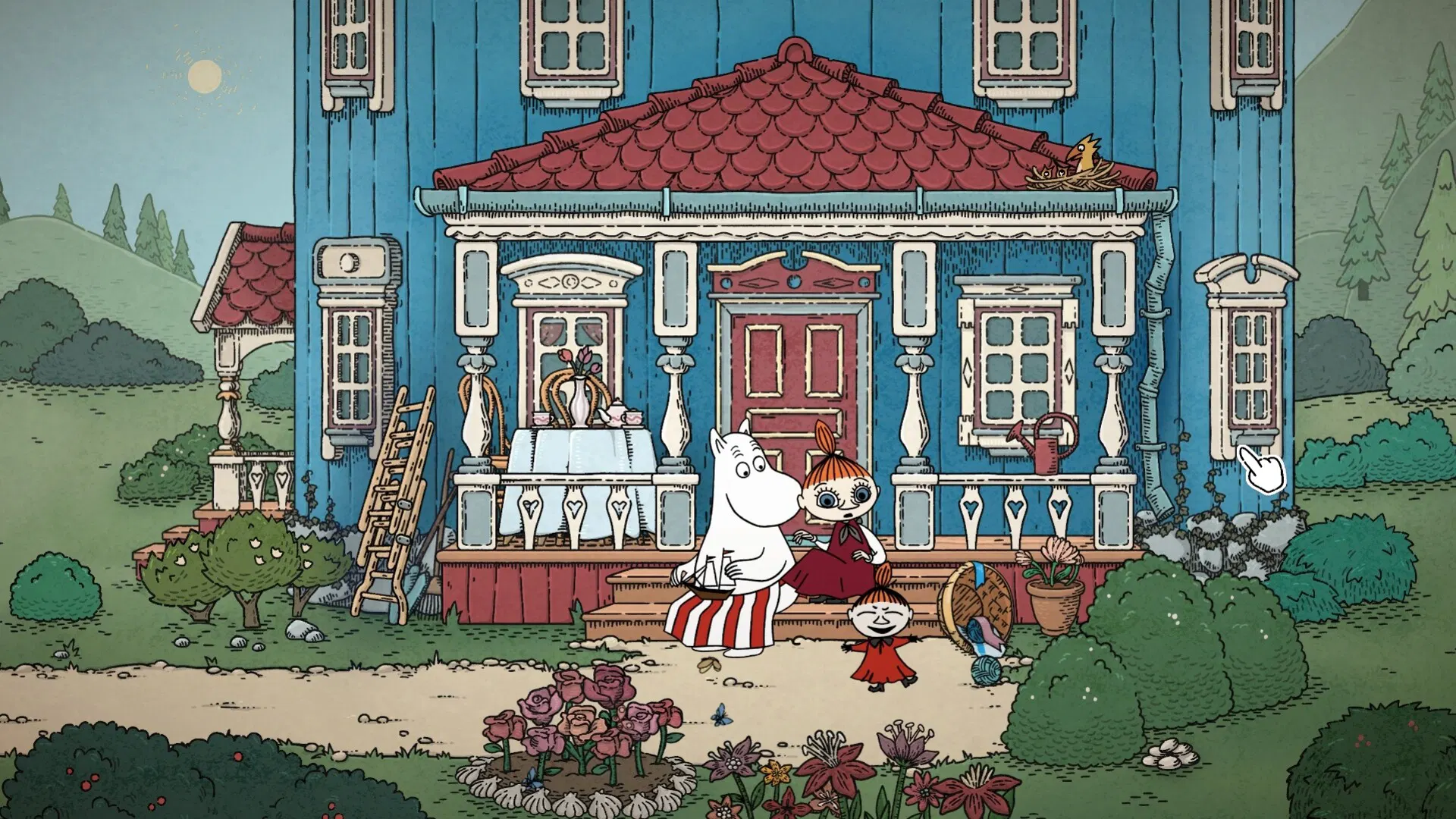
One notable design choice is the ability to swap between group members, leveraging each character’s unique traits to solve obstacles. This mechanic not only adds variety but also encourages players to think creatively about which abilities best fit a given scenario. The interplay between characters supports a layered problem-solving approach, inviting players to revisit scenes with new perspectives and unlock previously inaccessible paths.
The floating theatre, a centerpiece of the journey, provides a dynamic stage for revelations, puzzles, and character interactions. Its shifting rooms and peculiar mechanisms create opportunities to experiment with different dialogue options and object interactions, turning exploration into a meaningful storytelling tool rather than a simple scavenger hunt.
Artists have emphasized a hand-drawn interpretation of Moominvalley that captures the warmth and whimsy of Jansson’s world. The visuals balance nostalgia with contemporary design sensibilities, yielding a world that feels both timeless and freshly interactive.
Single-player play is the intended experience, focusing on immersion, mood, and narrative clarity. While the game’s scope fits a compact adventure, the depth of its puzzles and the richness of its world invite players to linger in Moominvalley’s peculiar corners and to savor the storytelling cadence that has long defined the franchise.
What this release means for fans and newcomers
Releasing on Nintendo Switch alongside the newer Switch 2 extends the reach of Moomin: Midsummer Madness to existing Switch owners while signaling a contemporary, next-gen-friendly platform strategy. Physical editions give collectors a tangible way to invest in the title, and digital editions ensure quick access for players eager to embark on the journey. The November launch timing makes this a late-year standout for adventure fans seeking a calmer, character-driven experience during the holiday season.
For existing fans of Tove Jansson’s universe, the game offers a careful blend of familiar imagery and new storytelling, allowing them to revisit beloved settings like Moominvalley and the floating theatre in an interactive format. At the same time, newcomers can discover a world that rewards curiosity and thoughtful exploration, underscored by a gentle, non-violent gameplay loop that prioritizes character dialogue and puzzle solving over action. This balance helps ensure broad appeal across age groups and gaming preferences.
Why timing and platform choices matter
The dual-platform release plan makes November 12 a practical and strategic date for a niche but enduring genre. By launching on both Switch hardware generations, the title can reach long-time players who have loyally supported the platform while also inviting a fresh wave of newcomers who value a thoughtfully crafted, hand-drawn adventure. Availability in both digital and physical formats further broadens consumer options, including those who prefer discerningly curated physical libraries or the convenience of digital releases for travel and portability.
In the broader context of 2026 console publishing, Moomin: Midsummer Madness stands out as a character-driven, world-building project that leans into art direction and narrative structure rather than high-octane action. Its emphasis on accessibility, language support, and reader-friendly hints demonstrates a deliberate inclusivity that aligns with the family-friendly ethos of the Moomin brand while remaining accessible to modern players who expect a polished, contemporary interface.
As the release date approaches, fans can anticipate trailers and additional previews that showcase the hand-drawn ambience, the theatre-based puzzle design, and the evolving map of Moominvalley. The collaboration between Crossbridge Game Studios and Shochiku Games stands as a testament to how licensed properties can inspire fresh creative experiments in the world of video games without sacrificing the core charm that makes the Moomin universe so enduring.
Source: Nintendo Everything.