
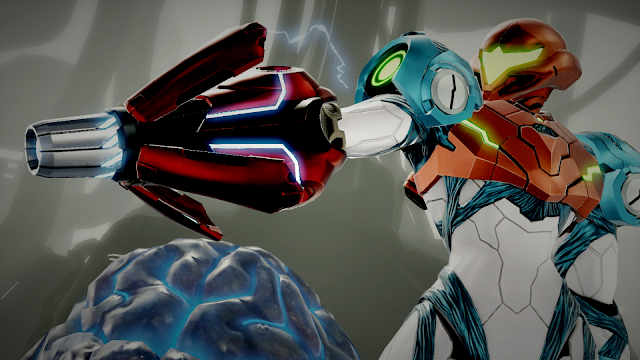
The announcement of Metroid Ravenous for Nintendo Switch 2 is driving a new wave of demand for physical copies of Metroid Dread. Nintendo’s 2021 side-scrolling adventure has returned to the eShop’s most-searched titles, while sealed U.S. copies are changing hands for more than $100 on the resale market. Some completed sales have reached roughly $170, turning a renewed interest in playing the previous game into a sharply visible collector rush.
Metroid Dread demand is rising on storefronts and resale platforms
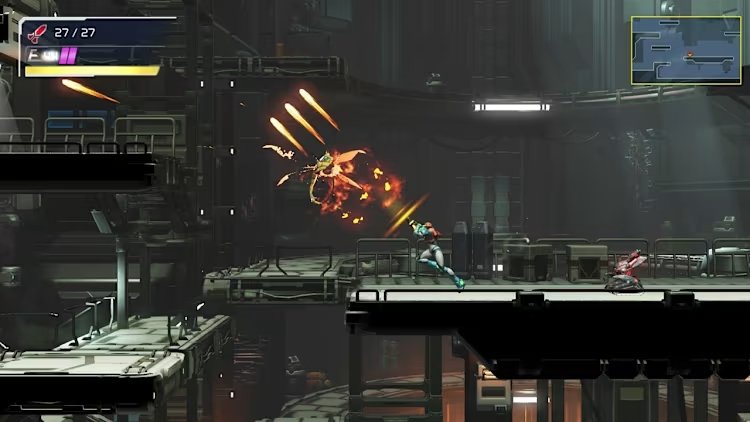
The shift is visible in two separate parts of the market. Digitally, Metroid Dread has reappeared among the eShop’s most sought-after games in the weeks following the new announcement. Physically, recent sold listings show sealed copies commanding prices well above the game’s original retail level. The combination matters because it points to fresh player interest rather than a change limited to collectors: people are looking for a way to experience Samus Aran’s most recent mainline 2D adventure before the next chapter arrives.
Completed sales provide the clearest measure of the change. New, sealed U.S. copies have surpassed $100, and a handful of transactions have reached approximately $170. The Special Edition has moved even higher on the secondary market. Those figures describe what buyers have actually paid, not merely ambitious asking prices, although resale values can change quickly as inventory appears or disappears. Used copies and local retail stock may not follow the same pattern as sealed examples, so the sharpest pressure is currently concentrated in unopened and collectible versions.
That distinction gives the story a practical dimension for players. Anyone who wants to play Metroid Dread ahead of Metroid Ravenous still has a digital option, which avoids the premium attached to sealed cartridges. Physical buyers, by contrast, now have to weigh condition, edition, region, and seller history against a market that is reacting to a high-profile sequel announcement. The price movement does not mean every copy has suddenly become rare, but it does show how quickly a new release can redirect attention toward an older game.
Why Ravenous is pulling players back to Dread
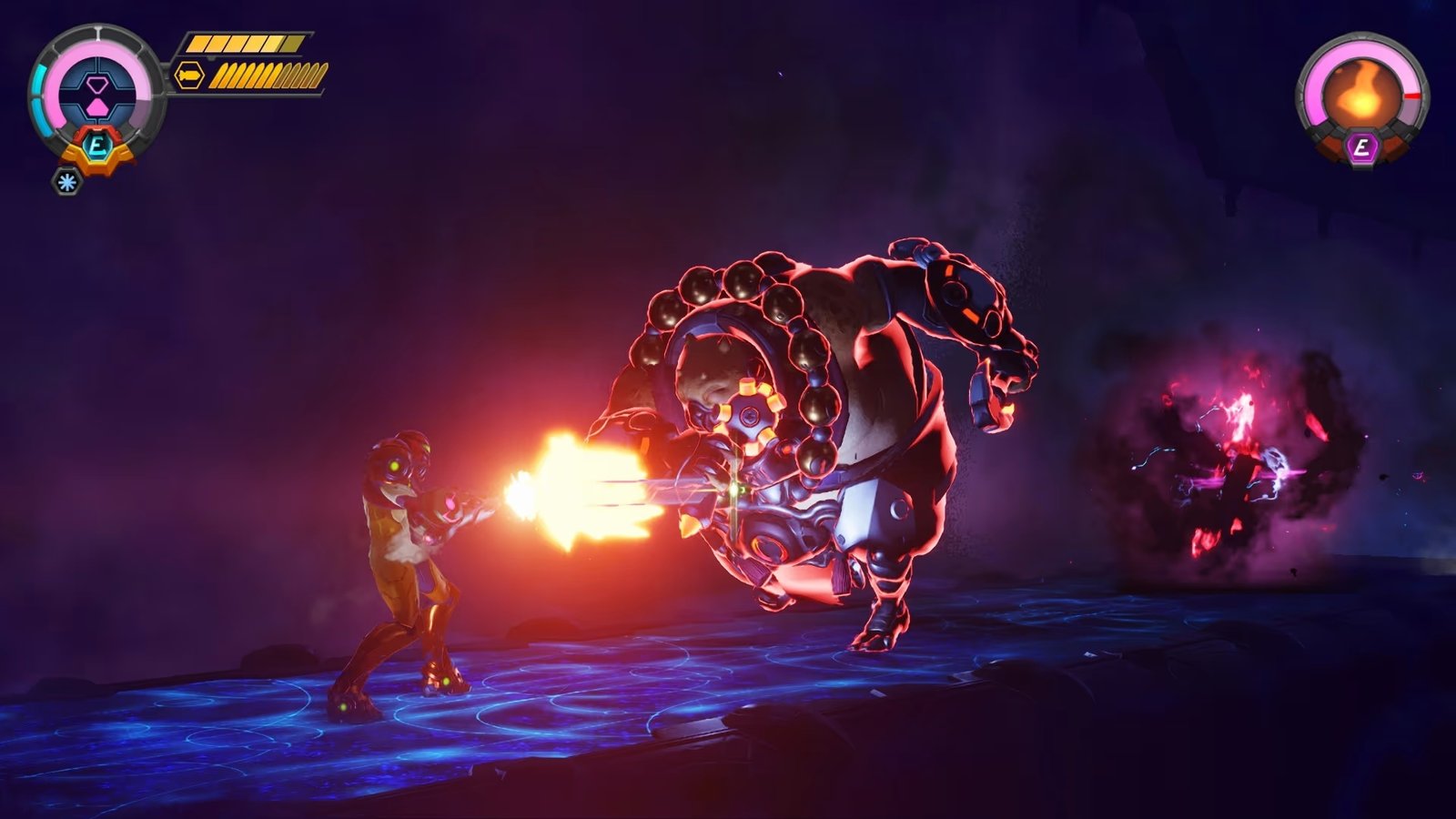
Metroid Ravenous is scheduled to launch on January 28, 2027, exclusively for Nintendo Switch 2. It continues Samus’s story after Metroid Dread and places the bounty hunter in a new survival-focused mission. She is ambushed by unknown attackers, stranded on an unfamiliar moon, and forced to navigate a maze of corridors while hunting powerful bosses. The official description also highlights newly awakened Metroid instincts that let Samus devour her enemies, giving the sequel a clear mechanical and narrative hook.
That connection makes Metroid Dread the natural preparation point for the new game. The 2021 title introduced the latest stage of Samus’s central story, brought back the series’ tense pursuit encounters, and delivered a complete 2D adventure for the Switch generation. A direct follow-up gives newcomers a reason to catch up and gives returning players a reason to revisit the events, abilities, and threats that define the transition into Ravenous. The renewed digital interest reflects that straightforward sequence: players are not simply browsing an old catalog entry; they are preparing for a story continuation.
The response also builds on Dread’s established position within the franchise. The game passed three million sales and became the best-selling title in the Metroid series, giving it a substantial installed audience before the new announcement. Its return to the eShop’s upper tier therefore represents both longtime fans revisiting a known favorite and newer Switch 2 owners discovering the game for the first time. The physical-market reaction is more dramatic because sealed inventory is finite, while the digital version can meet demand without relying on remaining retail stock.
What the price spike means for players and collectors
For players, the immediate takeaway is that there is no need to treat the resale price as the cost of entry to the story. The digital release remains the direct route for anyone who wants to finish Dread before Ravenous arrives. Buyers specifically seeking a cartridge may still find ordinary copies through retailers or private sellers, but the reported premium is concentrated in sealed U.S. copies and the Special Edition. Checking completed sales rather than copying the highest listing price is essential when judging whether an offer reflects the current market.
For collectors, the timing explains the sudden escalation. A sequel announcement creates a clear reason to own the preceding game, and that motivation can push fans toward unopened copies at the same moment that sellers recognize the opportunity. The result is a familiar split between access and collectibility: the software remains digitally available, but a particular physical condition or edition can become much more expensive. That gap is why the story is bigger than a temporary chart appearance. It shows how a future Switch 2 exclusive can immediately reshape the perceived value of a 2021 Switch release.
A sequel announcement with an immediate market impact
Metroid Ravenous has therefore done more than add a new date to Nintendo’s 2027 schedule. Its announcement has sent Metroid Dread back into the spotlight, lifted the game’s eShop visibility, and pushed sealed physical copies above $100, with some sales approaching $170. The effect gives readers a clear choice: play the previous adventure digitally without joining the resale scramble, or pursue a physical copy with a careful eye on condition and completed-sale data. Either way, the demand spike shows that anticipation for Samus’s next mission is already changing how players approach the one that came before it.
Source: Nintendo Life