
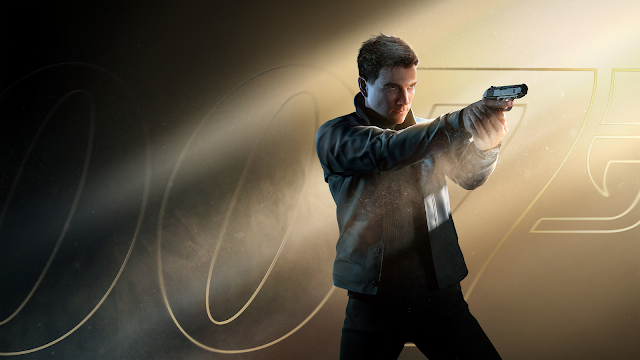
IO Interactive has confirmed that 007 First Light will run at 30 fps on Nintendo Switch 2, while also explaining that the game’s delay was intended to improve the platform version and accommodate marketing demands. The studio shared the update during Tokyo Game Show, giving players a clearer picture of both the technical target and the reasoning behind the new release timing.
30 fps is the confirmed target for Switch 2
The most direct part of the announcement concerns frame rate. The Nintendo Switch 2 version of 007 First Light is planned to run at 30 frames per second when it launches. Frame rate describes how many individual images a game displays each second, so the confirmation establishes the intended cadence for the Bond adventure on Nintendo’s current hardware. It also answers an important question for players who have been tracking the port while leaving the rest of the graphics specification open.
A 30 fps target is not the same thing as a complete performance report. The announcement does not set out a resolution, image-quality mode, handheld and docked differences, or other visual settings. It also does not describe how the game will behave in every situation. Those details matter because frame pacing, resolution, and visual effects all shape how a game feels in practice. For now, the confirmed information is narrower: 30 fps is the intended frame rate for the Switch 2 release.
Why 007 First Light was delayed
IO Interactive also addressed the delay instead of treating the change as a simple calendar adjustment. The studio said the additional time is meant to help deliver a smoother launch on Nintendo’s platform. In practical terms, that means the Switch 2 version is receiving more development attention before it reaches players. The explanation connects the postponement to the quality of the Nintendo release rather than to a change in the game’s identity or scope.
Marketing demands were also part of the explanation. That point matters because release schedules are shaped by more than development readiness. A game can need extra technical work while its publisher and partners reassess when it can receive attention in a crowded market. The confirmed statement does not identify a single competing release as the cause, so the responsible takeaway is simply that marketing strategy helped influence the new timing.
The new window is March 2027
The Switch 2 version is now scheduled for March 2027. The game had previously been associated with a September release window, but that plan has changed. No exact day in March has been provided, which means players should treat the month as the current confirmed window rather than a complete launch date. A more precise schedule will be needed before buyers can plan around a specific week, preorder deadline, or retail event.
The move also gives the development team a longer runway between the Tokyo Game Show update and launch. That does not guarantee a particular result, and it should not be read as a promise of performance beyond the announced 30 fps target. It does, however, make the studio’s priority clear: the Nintendo Switch 2 version is being held back so that performance work and launch planning can continue before release.
Source: My Nintendo News