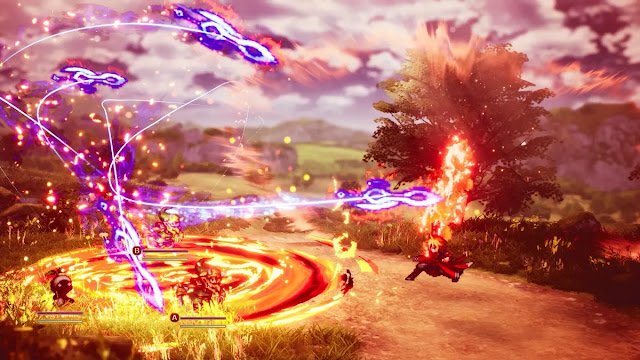
Final Fantasy Resonance runs at 60 frames per second on Nintendo Switch 2, while the original Nintendo Switch version remains locked at 30 FPS. Both editions launch on October 22, 2026, but the technical differences extend beyond frame rate, affecting performance, loading, and media format. Nintendo players now have a clear choice between two distinct experiences of the same HD-2D RPG from Square Enix, each tailored to the capabilities of its hardware. The Switch 2 version delivers a smoother presentation and quicker access to the game world, while the original Switch edition keeps a traditional cartridge-based option with the complete game on media.
Switch 2 doubles the frame rate
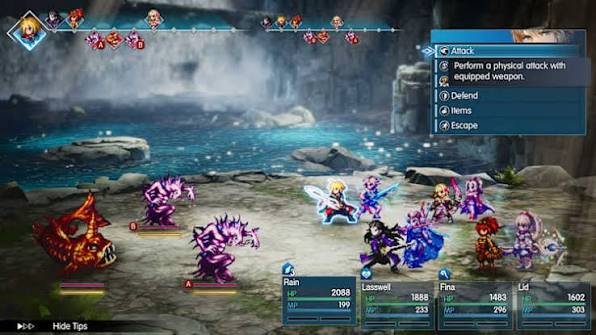
The standout difference between the two releases is performance. On Nintendo Switch 2, Final Fantasy Resonance runs at 60 FPS, allowing for noticeably smoother motion during exploration, combat, and camera transitions. The original Nintendo Switch version is capped at 30 FPS, offering a faithful recreation of the same adventure with a lower frame-rate ceiling. The higher frame rate on Switch 2 contributes to a more responsive feel, particularly during fast-paced battles and rapid camera shifts, without altering the core content or narrative in any way.
Sharper images, but no 4K gameplay
Alongside the frame-rate boost, Switch 2 delivers crisper visuals and a generally cleaner image. This enhanced clarity helps with character models, environments, and interface elements, especially when played on a TV. It’s important to note that the game does not render in native 4K during play; some elements render at the console’s native resolution, while gameplay itself remains at a resolution optimized for performance. The result is a more polished look without a mischaracterized leap to 4K.
Loading times and startup are notably faster
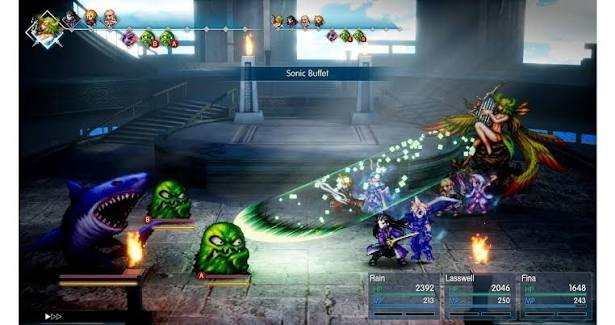 Performance gains extend beyond frame rate. Starting the game from the console menu takes about 11 seconds on Switch 2, versus roughly 26 seconds on the original Switch. When loading a saved game, Switch 2 clocks in around 3 to 4 seconds, while the Switch edition lands closer to 5 seconds. These reductions matter for players who frequently launch the game from rest mode or jump between saved files, delivering a noticeably quicker return to the action on Switch 2.
Backward compatibility and content parity
Backward compatibility means players who own the Switch edition can run it on Switch 2 with the benefit of faster loading, though not at native Switch 2 specs. Importantly, both versions offer the same core game content—no extra chapters or features are gated behind a different platform. The differences are purely in performance, image quality, and how the game is delivered to the player hardware.
Physical editions: how data is delivered
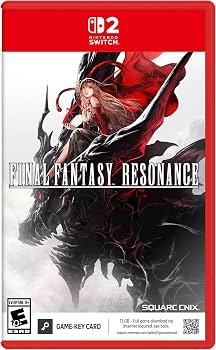 Edition formats play a key role in the practical choice. The Nintendo Switch 2 release uses a Game-Key Card that requires downloading the game data before play, ensuring the cartridge is not a full media solution. In contrast, the original Switch edition includes the complete content on the cartridge itself, appealing to collectors and players who prefer not to depend on a download after purchase. This distinction is especially relevant for those with limited bandwidth or who want immediate access to a fully stored title.
No upgrade path between editions
Square Enix has not announced an upgrade path to convert a Switch edition into the Switch 2 edition, or vice versa. Players who buy one version and later decide to switch will need to purchase the other version separately. Additionally, save data is not compatible between the two releases, meaning progress cannot be transferred across editions. These factors should weigh heavily when choosing which version to buy at launch.
Which version should you choose?
Final Fantasy Resonance on Switch 2 targets players who value the smoothest possible experience, with 60 FPS gameplay, sharper presentation, and shorter load times. The Switch edition remains an attractive option for fans who prefer a fully physical cartridge and are content with a lower frame rate. With both versions arriving on October 22, 2026, the decision hinges on whether you prioritise performance and convenience on Switch 2 or the tactile appeal of a cartridge-based release on Switch 1.
Why this matters for readers
These distinctions matter because they show how Nintendo’s new hardware can affect a single title in meaningful ways. For players who crave speed and fluidity, Switch 2 offers a more immediate and responsive experience, while collectors and those with a preference for physical media can still enjoy the adventure in its cartridge form. The split also illustrates a broader trend: Game-Key Card formats may become more common on Switch 2, influencing how players download and store their games in the future.
As Final Fantasy Resonance lands on both systems, Nintendo Press will continue to monitor how players respond to the differences and whether more Switch 1-to-Switch 2 upgrades or analogous editions surface for other titles. For now, readers have concrete, confirmed details from the primary source and a corroborating coverage that align on the October 22 launch date and the Switch 2’s 60 FPS target, with the Switch edition offering the traditional cartridge experience and 30 FPS performance.
Source: Nintendo Life